Few things disrupt a household faster than a water heater giving out. Whether yours is leaking, running lukewarm, or simply old enough that you’re bracing for the worst, you’re likely facing the same question every homeowner in Atco, Haddonfield, or Mount Laurel eventually asks: should you replace it with the same type of unit, or is it time to switch to tankless?
There’s no universal right answer — it depends on your household size, your hot water habits, your budget, and even your home’s existing gas and electrical setup. Here’s how the two options actually compare, so you can make a decision that fits your home instead of just guessing.
How Traditional (Tank) Water Heaters Work
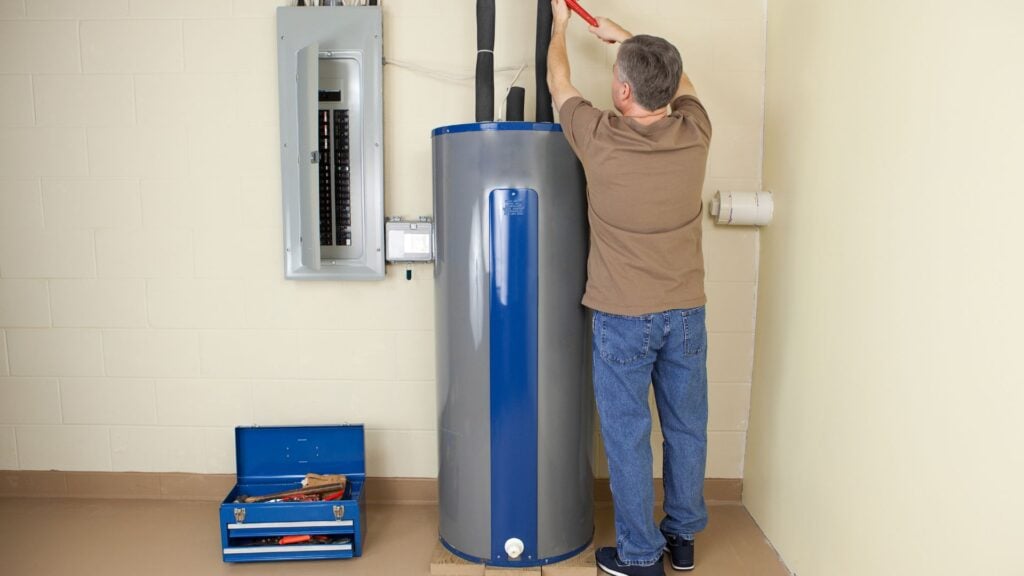
A traditional water heater stores anywhere from 30 to 80 gallons of hot water in an insulated tank, keeping it heated and ready around the clock. It’s the setup most South Jersey homes already have, and for good reason — it’s straightforward, well understood by every plumber, and typically less expensive upfront.
Leading manufacturers like AO Smith, Rheem, and State all build reliable tank water heaters in a range of sizes and efficiencies, from standard gas and electric models to higher-efficiency options. These three brands make up a large share of the units we install and service across South Jersey, and each offers dependable performance when installed and maintained correctly.
Pros:
- Lower upfront equipment and installation cost
- Simple, well-understood repairs
- Wide availability of parts
Cons:
- Limited hot water supply — a big shower or back-to-back loads of laundry can empty the tank
- Standby heat loss (the tank uses energy keeping water hot even when you’re not using it)
- Shorter typical lifespan, usually 8–12 years
How Tankless Water Heaters Work
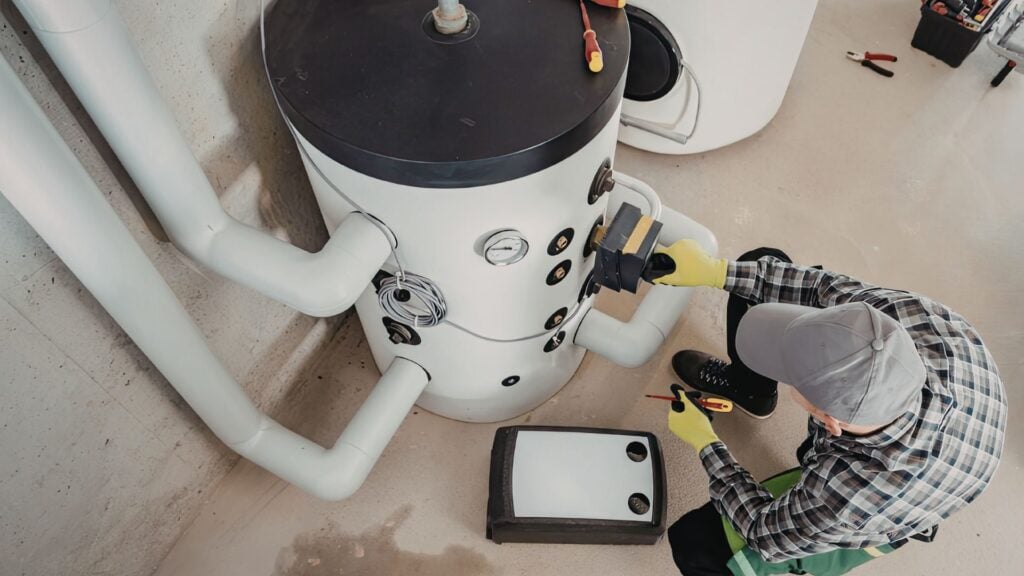
Tankless (or “on-demand”) water heaters skip the storage tank entirely. Instead, they heat water directly as it flows through the unit, which means you get a continuous supply of hot water — no more racing to shower before the tank runs cold. Two of the most trusted names in tankless technology are Rinnai and Navien, both known for high efficiency ratings and long service life when properly maintained.
Pros:
- Continuous hot water — no running out mid-shower
- Higher energy efficiency, since there’s no standby heat loss
- Smaller footprint, freeing up space in a basement or utility closet
- Longer lifespan, often 15–20+ years
Cons:
- Higher upfront cost, especially if your home needs upgraded gas lines or venting
- More complex installation, best left to an experienced plumbing team
- Output is measured in flow rate, so very high simultaneous demand (multiple showers plus a dishwasher running at once) requires correct sizing
SEE OUR ARTICLE: BRADFORD WHITE WATER HEATERS
Which One Makes Sense for Your Home?
If your household runs multiple showers, a dishwasher, and a washing machine at the same time on a regular basis, tankless is worth serious consideration — it’s built for exactly that kind of demand. If your hot water needs are more moderate and you want to keep upfront costs down, a well-built traditional unit from AO Smith, Rheem, or State will serve you reliably for years.
Where this decision gets harder is when your existing water heater is failing right now. That’s the real pain point: a leaking tank doesn’t wait for you to research the “right” option. Water damage from a failed tank can spread into flooring, drywall, and belongings within hours, and by the time you notice the puddle, the damage is often already done. If your unit is over 10 years old, showing rust at the base, or struggling to keep up with demand, it’s safer to plan a replacement now than to find out the hard way on a random Tuesday night.
Repair or Replace? A Quick Gut Check
Not every water heater problem means starting over. If your unit is relatively young and the issue is a faulty thermostat, pilot light, or heating element, a repair may be all you need. But if you’re dealing with a tank that’s actively leaking, more than a decade old, or costing you more in repeated repair visits than a new unit would cost outright, replacement is almost always the smarter long-term move — and it’s the moment to decide whether tank or tankless is the better fit going forward.
Let Professor Gatsby’s Help You Decide
Every home in South Jersey — from a single-family house in Medford to a busy household in Williamstown — has different hot water needs. Our licensed plumbers can walk through your usage, your home’s setup, and your budget to recommend the right system, then handle the installation or repair properly the first time. If you’re specifically considering going tankless, we also install and service tankless water heaters from trusted brands built for New Jersey homes.
Not sure which is right for you? Contact Professor Gatsby’s or book an appointment online for a free consultation on your next water heater.
See our article on Gas vs. Electric Water Heaters
3 South Jersey Locations to Serve You