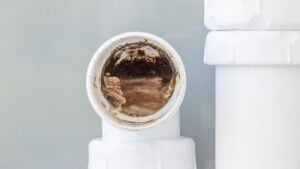
Not all clogged drains are the same — and treating them like they are is one of the most common mistakes homeowners make. The grease buildup causing a slow kitchen sink has almost nothing in common with the hair clog stopping up your shower, and the fix that works for one can be completely useless (or even damaging) for another.
If you’re dealing with a stubborn drain anywhere in your home — whether you’re in Washington Township, Cherry Hill, or Marlton — understanding what’s actually causing the clog is the first step to fixing it correctly instead of just pushing the problem further down the pipe.
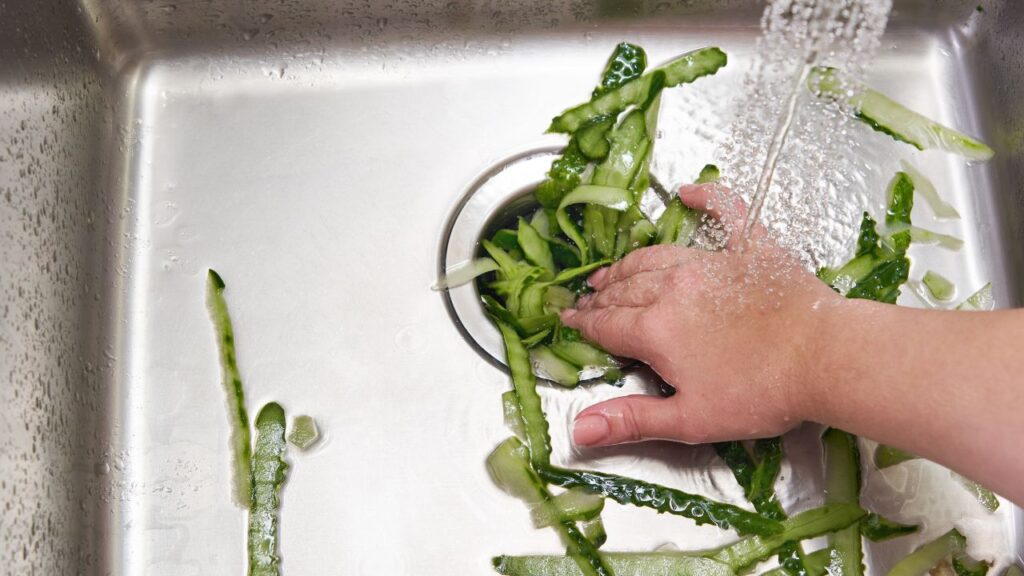
Kitchen Sink Drain Clogs
The kitchen sink is one of the hardest-working drains in the house, and it shows.
- Grease and cooking fat buildup. Fats, oils, and grease seem liquid when they go down the drain, but they cool and solidify inside the pipe, gradually narrowing the passage until water can barely get through.
- Food particles and starches. Rice, pasta, coffee grounds, and vegetable scraps don’t break down the way people expect. They swell, clump, and cling to the inside of the pipe, especially in homes without a garbage disposal.
- Soap scum combined with mineral buildup. Dish soap residue mixing with hard water minerals creates a sticky film that traps other debris, accelerating clogs over time.
Dishwasher Drain Clogs
A dishwasher that’s draining slowly — or not at all — usually isn’t a dishwasher problem so much as a drain line problem.
- Food debris bypassing the filter. Most dishwashers have a filter designed to catch scraps, but over time, debris that slips past it builds up in the drain hose and connection point.
- A clogged or kinked drain hose. The corrugated hose connecting the dishwasher to the sink drain or garbage disposal can develop trapped debris or physical kinks that restrict flow.
- A blocked air gap or shared kitchen line. Since dishwashers typically drain through the same line as the kitchen sink, a clog anywhere in that shared line — including grease buildup from the sink — can back water up into the dishwasher.
Bathroom Vanity (Sink) Drain Clogs
Bathroom sinks accumulate a different kind of buildup than kitchen sinks, but the results are just as frustrating.
- Hair. Even bathroom sinks used mainly for handwashing and brushing teeth collect hair over time, and it tangles easily with other debris in the trap.
- Toothpaste and soap residue. These products can hold up fine on their own, but combined with hair and hard water minerals, they form a dense clog inside the P-trap.
- Cosmetic and grooming product buildup. Small amounts of hair gel, shaving cream, or skincare product residue may seem harmless individually, but they accumulate along pipe walls over months and years of daily use.
Toilet Clogs
Toilet clogs tend to be the most disruptive — and the most avoidable.
- Excess toilet paper. Using more than the toilet and drain line can handle in a single flush is one of the most common causes of a clog, especially in older toilets with lower flush pressure.
- Non-flushable items. Wipes (even ones labeled “flushable”), paper towels, feminine hygiene products, and other items don’t break down like toilet paper and frequently cause blockages.
- A partial blockage further down the line. Sometimes the toilet itself isn’t the problem — a clog forming in the branch line or main sewer line downstream can cause a toilet to back up or drain slowly even when nothing unusual was flushed.
Laundry Drain Clogs
A washing machine that won’t drain, or a laundry room floor that floods during a cycle, points to a specific set of causes.
- Lint and fabric fibers. Every wash cycle sends small amounts of lint and fiber down the drain, and over time this builds up inside the standpipe or drain line.
- Detergent residue. Especially with powder detergents or when too much is used, residue can build up along pipe walls, narrowing the passage over time.
- Small items left in pockets. Coins, buttons, and other small objects that make it through the wash cycle can lodge in the drain hose or standpipe, creating a physical obstruction.
Tub Drain Clogs
Bathtub clogs tend to build gradually, which is why they’re often ignored until the water is barely draining at all.
- Hair. This is by far the most common cause of tub clogs, especially when it combines with soap scum to form a dense mass in the drain or trap.
- Soap scum and body oils. Bar soap in particular leaves behind a waxy residue that coats the inside of the pipe and traps other debris.
- Hard water mineral buildup. In homes with hard water, mineral deposits gradually narrow the drain opening and pipe interior, making it easier for hair and soap scum to catch and accumulate.
Shower Drain Clogs
Shower drains share some causes with tubs, but the daily use pattern creates its own set of issues.
- Hair accumulation. Showers used daily by multiple people accumulate hair quickly, and without a drain cover or regular cleaning, it becomes the primary cause of slow drainage.
- Soap and shampoo residue. Similar to tubs, the combination of soap scum and hair care product residue creates a sticky buildup along the drain and trap.
- Small debris and grime. Dirt, skin cells, and general grime rinse down the drain daily in small amounts, and while individually harmless, they contribute to buildup over months of regular use.
Floor Drain Clogs
Floor drains — common in basements, laundry rooms, and utility areas — often go unnoticed until there’s standing water.
- Infrequent use allowing debris to settle. Floor drains aren’t used daily like other fixtures, which means dust, dirt, and debris have more time to settle and compact before being flushed through.
- Dried-out trap seals. If a floor drain isn’t used often, the water in its trap can evaporate, allowing sewer gas and debris issues to develop, and this dry trap can also make minor clogs feel worse than they are.
- Connection to a compromised main or branch line. Because floor drains often sit at the lowest point in a home’s plumbing system, they’re frequently the first place a backup shows up when there’s a blockage deeper in the sewer line — making a floor drain clog sometimes a warning sign of a much larger issue.
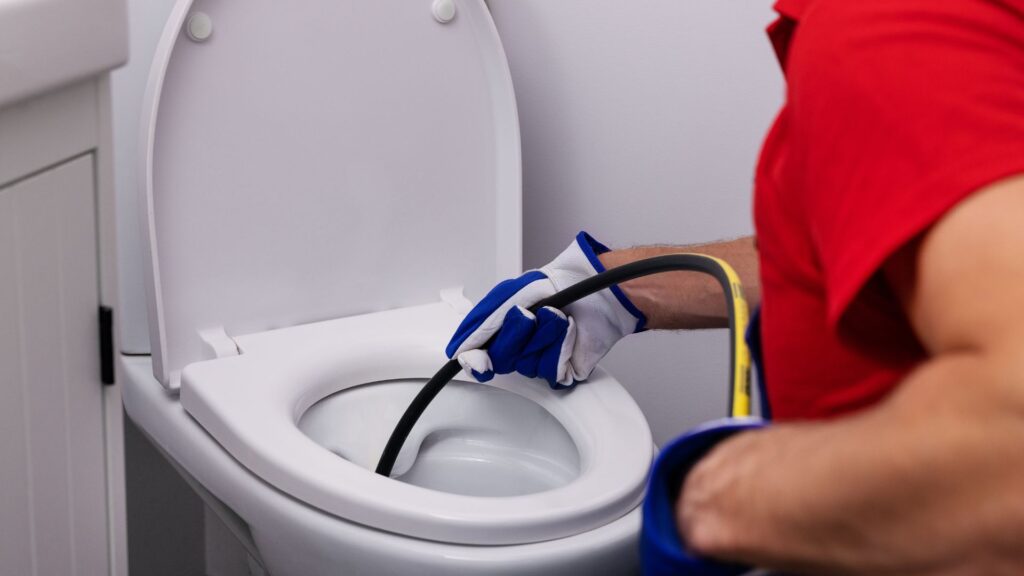
How to Properly Clean a Drain
Not every clog needs a plumber, but doing it the right way matters — both for your pipes and for actually solving the problem instead of masking it temporarily.
Start with hot water and dish soap for minor grease-related clogs. For kitchen sinks specifically, a kettle of near-boiling water combined with a small amount of dish soap can help break down mild grease buildup. Avoid this method on PVC pipes if the water is fully boiling, as extreme heat can damage certain pipe materials.
Use a plunger correctly. For sinks, tubs, and toilets, make sure there’s enough water in the basin to create a seal around the plunger, and use firm, steady strokes rather than aggressive slamming, which can damage older pipe connections.
Try a drain snake or zip tool for hair and debris. These simple, inexpensive tools can physically pull hair and buildup out of shower, tub, and vanity drains without introducing any chemicals into your plumbing system.
Avoid chemical drain cleaners as a regular solution. While they may clear a minor clog occasionally, chemical drain cleaners are corrosive and can damage older pipes over repeated use, and they don’t address buildup that’s already coating the interior of the pipe.
Flush floor drains periodically. Pouring a small amount of water down infrequently used floor drains every few weeks helps keep the trap seal intact and prevents sewer gas issues.
Call a professional for recurring or resistant clogs. If a clog keeps coming back after cleaning, or if a plunger and snake aren’t clearing it, that’s usually a sign the buildup extends further into the line than DIY tools can reach — which is where professional drain clearing or hydro jetting comes in.
When a Clog Is More Than Just a Clog
Here’s the pain point worth taking seriously: a clog that keeps returning, or that affects multiple fixtures at once, is rarely a coincidence. It’s often a sign that buildup or a blockage exists somewhere in the shared plumbing line, not just at the fixture where you’re noticing the symptom. Treating the surface issue over and over, without addressing what’s actually happening inside the pipe, usually ends the same way — with a full backup at the worst possible time.
Let Professor Gatsby’s Clear It the Right Way
Whether it’s a single stubborn drain or a recurring clog you can’t get ahead of, our licensed plumbers serve homeowners throughout Washington Township, Cherry Hill, Marlton, and the surrounding South Jersey area. We offer professional drain clearing for straightforward clogs and hydro jetting services for pipes with years of buildup that a snake alone can’t fully resolve. If we suspect the issue runs deeper than the fixture itself, we can also perform a sewer camera inspection to see exactly what’s happening inside your line.
Dealing with a clog that won’t quit? Contact Professor Gatsby’s or book online and let us clear it properly the first time.
3 South Jersey Locations to Serve You