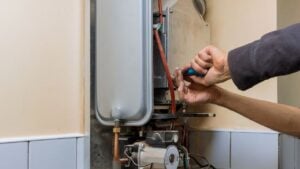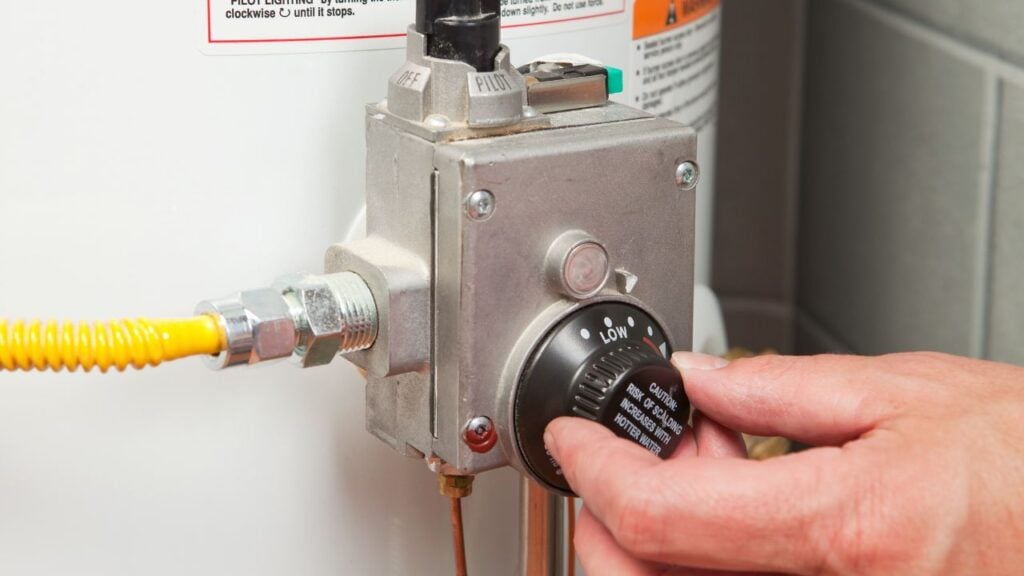
When a water heater fails, most homeowners focus on the sticker price of the replacement. But the bigger number over the life of the unit isn’t the purchase price — it’s what you pay every month to run it. In New Jersey, where utility rates run well above the national average, the gas-versus-electric decision can add up to hundreds of dollars a year, one way or the other.
If you’re replacing a water heater in Moorestown, Mount Laurel, or Voorhees, here’s how the real costs compare — install price, monthly operating cost, and how long it takes for the more expensive option to pay for itself.
Why New Jersey’s Utility Rates Make This Decision Bigger Than Usual
New Jersey isn’t a cheap state to run appliances in. As of August 2026, the average residential electricity rate in New Jersey runs around 23.5¢/kWh — roughly 25% above the national average. Natural gas tells a different story: South Jersey Gas’s residential “Price to Compare” rate, the benchmark rate for the utility serving much of South Jersey, sits at roughly $0.59 per therm as of mid-2026 — a fraction of the cost per unit of energy compared to electricity.
That gap in fuel cost is the single biggest reason gas water heaters typically cost less to operate month to month, even though electric units are generally more energy-efficient at converting fuel into hot water. Electricity is simply the more expensive energy source per unit in New Jersey, and that difference outweighs electric’s efficiency advantage in most households.
See our article on Tankless vs. Traditional Water Heaters
Installation Cost: Electric Usually Wins Upfront
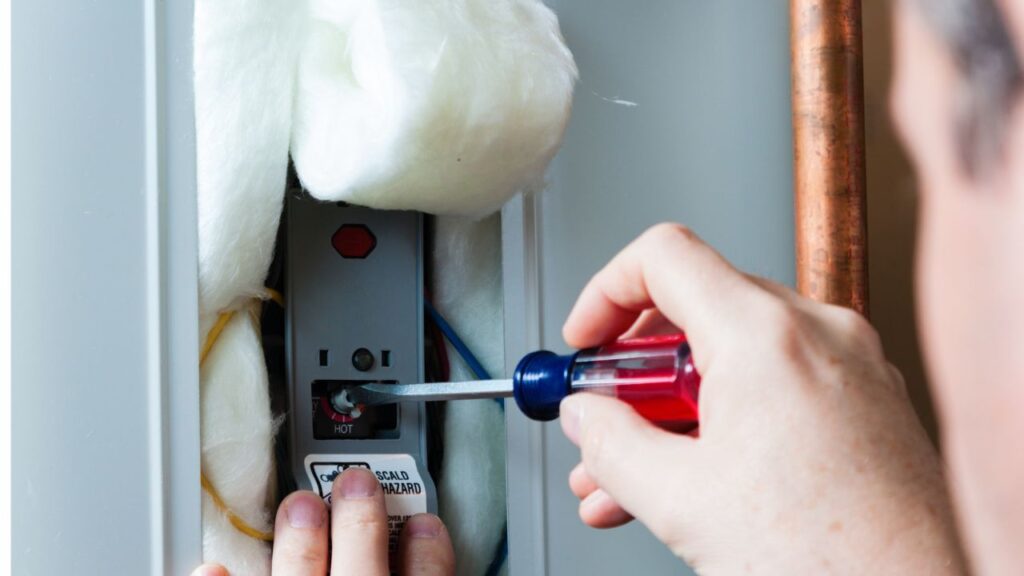
Electric water heaters are typically less expensive to install than gas units, for a straightforward reason: gas water heaters require proper venting, a gas line connection, and — depending on your home’s setup — sometimes additional venting modifications to meet current code. Electric units only need an adequate electrical circuit, which is often already in place if you’re replacing an existing electric water heater.
If your home doesn’t currently have a gas line run to the water heater location, converting from electric to gas can add meaningfully to the upfront installation cost. This is worth discussing with your plumber before you decide, since it directly affects how quickly a gas unit’s lower operating cost catches up to its higher installation price.
Monthly Operating Cost: Gas Usually Wins Long-Term
This is where the numbers tend to shift in gas’s favor. A typical household’s water heating costs, based on New Jersey’s current rate environment, generally break down like this:
- Gas water heater: Roughly 150–250 per year in fuel costs for an average family household, based on current South Jersey Gas residential rates.
- Electric water heater: Roughly 500–700 per year in electricity costs for comparable usage, based on current New Jersey residential electric rates.
Actual costs vary based on household size, hot water usage habits, your specific utility and rate plan, and the efficiency rating of the unit itself — these figures are meant as a general comparison, not a guarantee. But the pattern holds consistently across New Jersey: gas is almost always the cheaper fuel to heat water with, month over month.
Recovery Time: When Does the Higher Install Cost Pay Off?
If you’re converting from electric to gas, the upfront installation cost is higher — but the ongoing savings usually make up that difference faster than most homeowners expect. Based on the cost gap above, many households recover the added installation expense of switching to gas within roughly 2 to 4 years, after which the lower operating cost is pure savings for the remaining life of the unit — often another 8 to 10+ years.
If you’re simply replacing an existing gas unit with another gas unit (or electric with electric), this calculation doesn’t apply — you’re already positioned to capture whichever fuel’s ongoing cost advantage exists, without an upfront conversion expense.
Comparing Gas Water Heater Models
If you’re sticking with — or switching to — gas, the brand and model you choose still affects both efficiency and long-term reliability. A few of the manufacturers we install most often:
- AO Smith gas water heaters are known for a wide range of efficiency tiers, from standard-efficiency tanks to high-efficiency and power-vent models suited to homes with venting restrictions.
- Rheem offers gas models with strong warranty options and features like leak detection on select higher-end units, appealing to homeowners who want extra peace of mind.
- State water heaters (a sister brand to AO Smith) provide dependable standard and high-efficiency gas options, often at a slightly more accessible price point.
- Bradford White gas models are sold exclusively through licensed professional installers and are built with features like the Defender Safety System, which is designed to reduce the risk of flammable vapor ignition — a detail worth understanding if you’re comparing gas units on safety as well as cost.
All four brands make reliable equipment; the right choice usually comes down to your specific efficiency needs, venting situation, and budget rather than one brand being universally “better.”
The Real Pain Point: Guessing Wrong Costs You for Years
Here’s what makes this decision worth getting right the first time: a water heater isn’t a purchase you revisit every year. Once it’s installed, you’re living with that fuel choice — and its monthly cost — for a decade or more. Homeowners who replace a failing unit under pressure, without comparing the actual cost difference for their specific home, often end up locked into hundreds of dollars in avoidable extra spending every year for the life of the unit. Multiply that over 10+ years, and a rushed decision can cost more than the water heater itself.
Let Professor Gatsby’s Help You Run the Numbers
The right choice between gas and electric depends on your home’s existing setup, your household’s hot water usage, and your budget — not a one-size-fits-all answer. Our licensed plumbers serve homeowners throughout Moorestown, Mount Laurel, Voorhees, and the surrounding South Jersey area, and we can walk you through real installation and operating cost estimates for your specific home before you commit to a water heater replacement. If your current unit is having issues but hasn’t fully failed, we also offer water heater repair to help you decide whether repair or replacement makes more sense right now. And if you’d rather skip the tank entirely, we install and service tankless water heaters as well.
Not sure which option makes sense for your home? Contact Professor Gatsby’s or book an appointment online for a straightforward cost comparison before you replace your water heater.
Sources:
- EnergyChoice.com / EnergySage — New Jersey Electricity Plans, Average Residential Rate (August 2026)
- South Jersey Gas — BGSS Price to Compare, Residential Rate (June 2026)
3 South Jersey Locations to Serve You