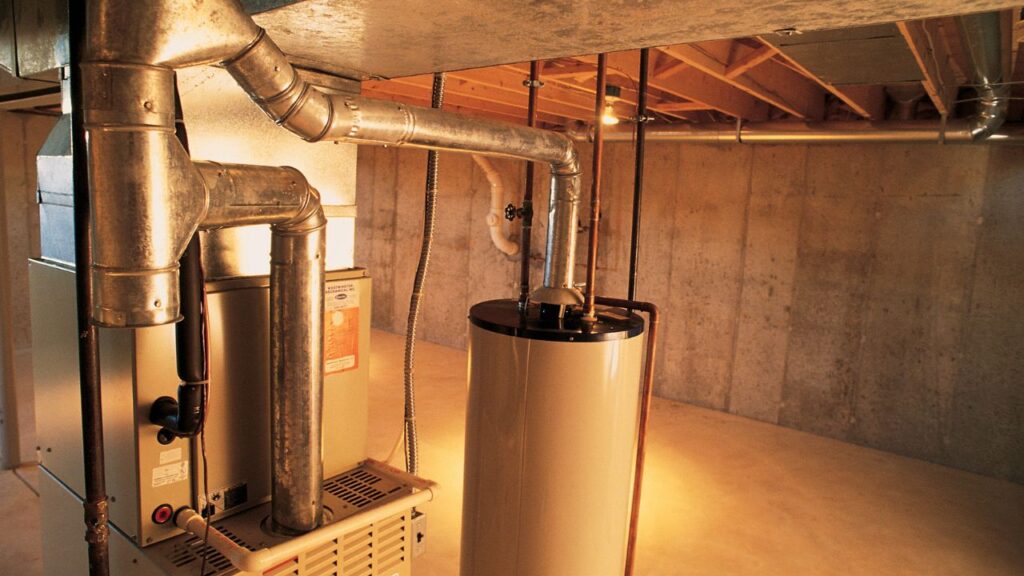
Most homeowners don’t think about their water heater until it stops working — and by then, they’re usually dealing with cold showers, a flooded utility closet, or both. But a gas water heater rarely fails without warning. It typically sends signals for weeks or months beforehand, and knowing what to watch for can mean the difference between a planned replacement on your schedule and an emergency one on a Sunday night.
If you’re a homeowner in Sicklerville, Clementon, or Winslow Township wondering whether your water heater is on borrowed time, here’s what actually determines its lifespan — and the specific warning signs that mean it’s time to start planning a replacement.
The Real Lifespan of a Gas Water Heater
Most gas water heaters are built to last 8 to 12 years, though that range depends heavily on water quality, maintenance history, and installation conditions. Homes with hard water tend to see mineral buildup accelerate wear on the tank and components, while homes where the unit has had regular anode rod checks and sediment flushing often get closer to the upper end of that range — sometimes beyond it.
Here’s the important part: once a gas water heater passes the 8-year mark, the risk of a sudden tank failure increases significantly every year after that. It’s not that the unit is guaranteed to fail at year 9 or 10 — it’s that the odds shift, and a unit in that age range deserves closer attention than one that’s only a few years old.
Warning Sign #1: Pilot Light Issues
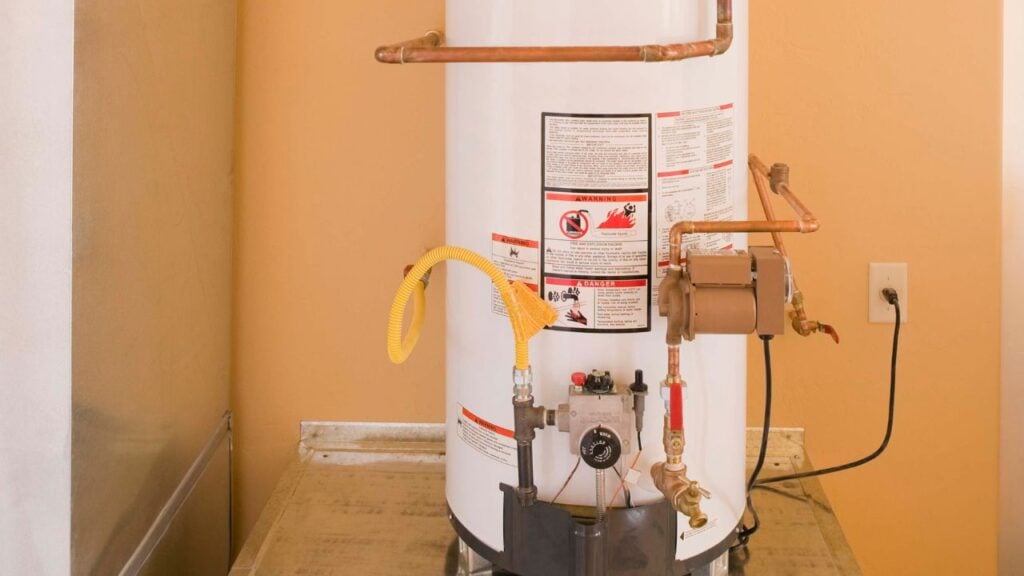
A pilot light that won’t stay lit, flickers inconsistently, or burns a color other than blue is one of the earliest signs something is wrong. This can point to a failing thermocouple, a dirty pilot orifice, or ventilation problems — and while some pilot light issues are simple, relatively inexpensive fixes, recurring pilot light problems on an older unit are often a sign that other components are beginning to fail as well. If your water heater is under 6–7 years old, this is usually worth a repair call. On a unit already past 10 years, it’s worth asking your plumber whether repair is still the right move.
Warning Sign #2: Rust-Colored Water
Rusty or discolored hot water is one of the clearest signs of internal tank corrosion. Every gas water heater tank has a sacrificial anode rod designed to corrode first and protect the tank itself — but once that rod is fully depleted, the tank’s steel lining starts corroding directly. Rust-colored water coming specifically from the hot tap (not the cold) usually means the tank itself has begun deteriorating from the inside, which is a strong signal that the unit is approaching the end of its usable life rather than something a simple repair will resolve.
Warning Sign #3: Popping or Rumbling Sounds
Popping, rumbling, or banging sounds coming from the tank — especially during heating cycles — are caused by sediment that’s built up at the bottom of the tank over years of use. As water heats and moves beneath that sediment layer, it creates trapped steam bubbles that produce the popping or rumbling sound homeowners often describe.
This isn’t just a noise issue. Sediment buildup makes the water heater work harder to heat the same amount of water, increasing energy costs, and it accelerates wear on the tank bottom, sometimes contributing to premature tank failure. On a younger unit, a professional flush can often resolve this. On an older unit, heavy sediment buildup is often a sign of years of deferred maintenance, and combined with the unit’s age, it may tip the scale toward replacement.
Other Signs Worth Watching
Beyond the three signals above, a few additional signs are worth taking seriously:
- Visible moisture or pooling water around the base of the tank, which often indicates a crack or corrosion point that will only worsen over time.
- Inconsistent water temperature, including water that runs lukewarm or fluctuates during use, which can point to a failing heating element, thermostat, or sediment interference.
- A sudden increase in your gas bill without a corresponding increase in usage, which can indicate the unit is losing efficiency as it ages.
- The age of the unit itself. If you don’t know how old your water heater is, the manufacture date is usually encoded in the serial number on the manufacturer’s rating plate — a detail your plumber can check quickly.
When Repair No Longer Makes Sense
Not every issue means it’s time to replace the unit. A single pilot light repair or thermocouple replacement on a 4-year-old water heater is a straightforward, worthwhile fix. But there’s a point where continuing to repair an aging unit stops making financial sense — and it usually comes down to a combination of three factors:
- Age. A unit past 10 years old is already operating past the point where most manufacturers’ standard warranties provide meaningful coverage, and the risk of a full tank failure increases substantially.
- Repair cost relative to replacement cost. If a repair estimate is running a third or more of the cost of a full replacement, you’re often better off putting that money toward a new unit with a fresh warranty instead.
- Frequency of issues. A unit that’s needed more than one repair visit in the past year or two is usually signaling that it’s in a general state of decline, not dealing with an isolated problem.
The Real Pain Point: Tank Failures Don’t Wait for a Convenient Time
Here’s what makes this worth taking seriously before symptoms become severe: when a gas water heater tank fully fails, it doesn’t just stop producing hot water — it often leaks or ruptures, sending dozens of gallons of water across a basement or utility closet floor, sometimes damaging flooring, drywall, and stored belongings in the process. That kind of failure never happens at a convenient time, and the cleanup cost on top of an emergency replacement is almost always more than a planned replacement would have cost. Catching the warning signs early gives you the chance to replace the unit on your terms, not the water heater’s.
Repair or Replace? Let Professor Gatsby’s Help You Decide
If you’re noticing any of these warning signs, the smartest first step is a professional evaluation rather than guessing. Our licensed plumbers serve homeowners throughout Sicklerville, Clementon, Winslow Township, and the surrounding South Jersey area, and we can quickly assess whether your gas water heater needs a repair or whether it’s time for a replacement. If replacement makes more sense, we’ll walk you through sizing and efficiency options so you’re not just replacing the unit — you’re upgrading it. We also install and service tankless water heaters if you’re considering skipping the tank altogether.
Noticing warning signs from your water heater? Contact Professor Gatsby’s or book an appointment online before a small issue turns into a flooded basement.
3 South Jersey Locations to Serve You