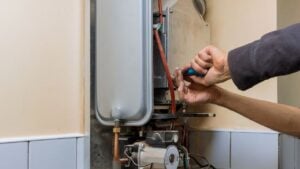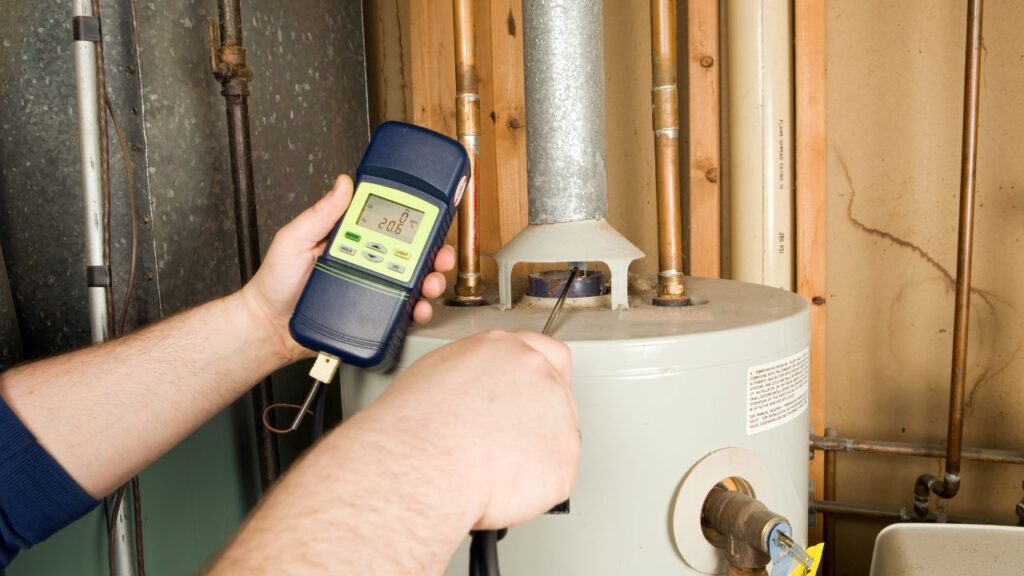
Most homeowners think about their water heater in terms of hot showers and utility bills. Few think about the venting system attached to it — until something goes wrong. But the venting on a gas water heater isn’t a minor detail. It’s the system responsible for carrying combustion byproducts, including carbon monoxide, safely out of your home. When it’s not working correctly, the consequences aren’t a cold shower. They’re a genuine safety risk.
If you’re a homeowner in Gloucester City, Haddonfield, or Audubon with a gas water heater, understanding how venting works — and what can go wrong — is one of the most important pieces of home safety knowledge you can have.
How Gas Water Heater Venting Is Supposed to Work
A gas water heater burns natural gas or propane to heat water, and that combustion process produces byproducts that must be carried safely out of the home — primarily through a vent pipe connected to a chimney or a dedicated exhaust vent. In a properly functioning system, hot combustion gases rise naturally through the vent and exit outside, drawing in fresh combustion air to keep the process running efficiently and safely.
This system depends on a combination of correct vent pipe sizing, proper pitch (vent pipes need to angle upward toward the exit point), an unobstructed flue, and adequate combustion air supply in the space where the water heater is installed. When any one of these elements is off, the entire system can stop working the way it’s supposed to.
What Is Backdrafting, and Why Is It Dangerous?
Backdrafting happens when combustion gases — instead of venting outside as intended — reverse direction and flow back into the living space. This can happen for several reasons: a vent pipe that’s undersized, improperly pitched, blocked by debris or a bird’s nest, or a home that’s become too airtight for the water heater to draw adequate combustion air (a growing issue as homes are weatherized and sealed for energy efficiency without accounting for existing combustion appliances).
When backdrafting occurs, the combustion byproducts that should be leaving your home — including carbon monoxide — end up circulating inside it instead. This is exactly why venting problems are not a “get to it eventually” issue. A properly vented water heater is a safe, reliable appliance. A backdrafting one is actively working against the safety of everyone in the house.
The Carbon Monoxide Risk, Explained
Carbon monoxide is colorless, odorless, and impossible to detect without a working detector — which is precisely what makes venting problems so dangerous. Unlike a gas leak, which often has a distinct smell added specifically so it can be detected, carbon monoxide gives no warning on its own. Early symptoms of exposure — headache, dizziness, nausea, fatigue — are easy to mistake for the flu or general tiredness, which means people are sometimes exposed for extended periods before anyone realizes something is wrong.
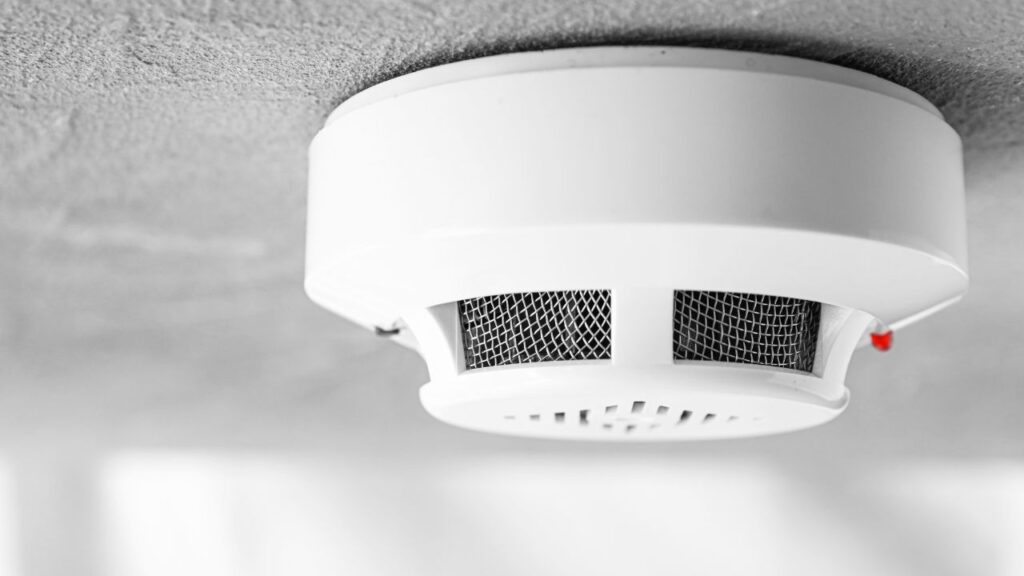
This is why every home with a gas appliance, including a gas water heater, should have working carbon monoxide detectors installed on every level of the home, particularly near sleeping areas, and why those detectors should be tested regularly and have their batteries replaced on schedule. A CO detector is not a substitute for proper venting — but it’s the critical backup that catches a problem before it becomes a medical emergency.
If a carbon monoxide detector ever activates in your home, treat it as a real emergency: get everyone outside into fresh air immediately, and call 911 or your local emergency services before attempting to investigate the source yourself.
Signs of a Venting Problem
Several warning signs can indicate a venting issue with a gas water heater, even before a CO detector ever activates:
- Soot or dark staining around the water heater’s draft hood or on the wall near the vent connection
- Rust or unusual moisture on the vent pipe itself, which can indicate condensation from improper venting
- A pilot light or burner flame that burns yellow or orange instead of a steady blue, which can indicate incomplete combustion
- A musty, stale, or unusually warm smell in the space around the water heater
- Visible damage, disconnection, or gaps in the vent pipe connections
- Excess condensation on windows near the water heater’s location, particularly in colder months
Any one of these signs is worth a professional inspection. Several of them together should be treated as urgent.
Why Newer Water Heaters Include Built-In Safety Features
Because venting and combustion safety are such a serious concern, manufacturers have built additional safeguards directly into modern water heaters. Bradford White, for example, includes its Defender Safety System on many residential gas models — a feature designed specifically to reduce the risk of flammable vapor ignition around the appliance. While this particular feature addresses flammable vapor ignition rather than venting itself, it reflects a broader shift in the industry toward engineering safety directly into the unit rather than relying solely on correct installation and maintenance after the fact.
That said, no built-in safety feature replaces the need for correct venting installation and periodic inspection. Even the best-designed water heater depends on a properly installed and maintained vent system to operate safely over its full lifespan.
Why This Matters More With Older Homes and Older Units
Venting problems tend to show up more often in two specific situations: older homes that have been weatherized or had windows and doors upgraded without reassessing combustion air supply for existing gas appliances, and older water heaters where vent connections have shifted, corroded, or loosened over years of use. If your gas water heater is more than a few years old and hasn’t had its venting inspected recently — or if your home has had any energy efficiency upgrades since the water heater was installed — it’s worth having a professional take a look, even if nothing seems obviously wrong.
The Pain Point: This Isn’t a Problem You Can See Coming on Your Own
Here’s what makes venting issues different from most other home maintenance concerns: a slow drain gives you weeks of warning. A venting problem often gives you none. Carbon monoxide has no smell, no color, and no taste, and early symptoms are easy to dismiss as something else entirely. Waiting for an obvious sign before addressing venting concerns isn’t a cautious approach — it’s the opposite. A professional inspection is inexpensive and quick. The alternative, if something goes seriously wrong, is not.
Get Your Gas Water Heater’s Venting Inspected
If you’re a homeowner in Gloucester City, Haddonfield, Audubon, or anywhere else in South Jersey and it’s been a while since your gas water heater’s venting was professionally checked, don’t wait for a warning sign to show up. Our licensed technicians can inspect your venting system, combustion air supply, and overall unit condition as part of a water heater repair visit, and if your unit’s age or condition warrants it, we’ll walk you through your options for a safe, properly vented water heater replacement.
Don’t guess when it comes to combustion safety. Contact Professor Gatsby’s or book an inspection online today.
If you currently suspect a carbon monoxide issue in your home, leave the house immediately and call 911 or your local fire department before contacting anyone else.
3 South Jersey Locations to Serve You