Most homeowners never think about their water heater until it stops working — but the units that quietly last 12, 13, even 15 years usually have one thing in common: someone paid a little attention to them along the way. Electric water heaters aren’t complicated to maintain, but skipping that maintenance is exactly why so many units fail years earlier than they should.
If you’re a homeowner in South Jersey looking to get the most out of your electric water heater, here are the maintenance steps that actually make a difference — what you can reasonably do yourself, and what’s worth leaving to a professional.
Check the Anode Rod Annually
The anode rod is one of the most important — and most overlooked — components in your water heater. It’s a sacrificial metal rod designed to corrode before your tank does, protecting the steel tank lining from rust. Once the anode rod is fully consumed, the tank itself becomes the next thing corrosion attacks, which is one of the most common reasons water heaters fail well before their expected lifespan.
Most manufacturers recommend having the anode rod inspected annually, and replaced when it’s significantly corroded — often coated in calcium buildup or reduced to a thin wire core. Homes with softened or treated water tend to see anode rods deplete faster, so if your home has a water softener, more frequent checks are worth considering. This is a quick, inexpensive task during a routine service visit, and it’s one of the single best things you can do to extend your tank’s life.
Flush Sediment From the Tank
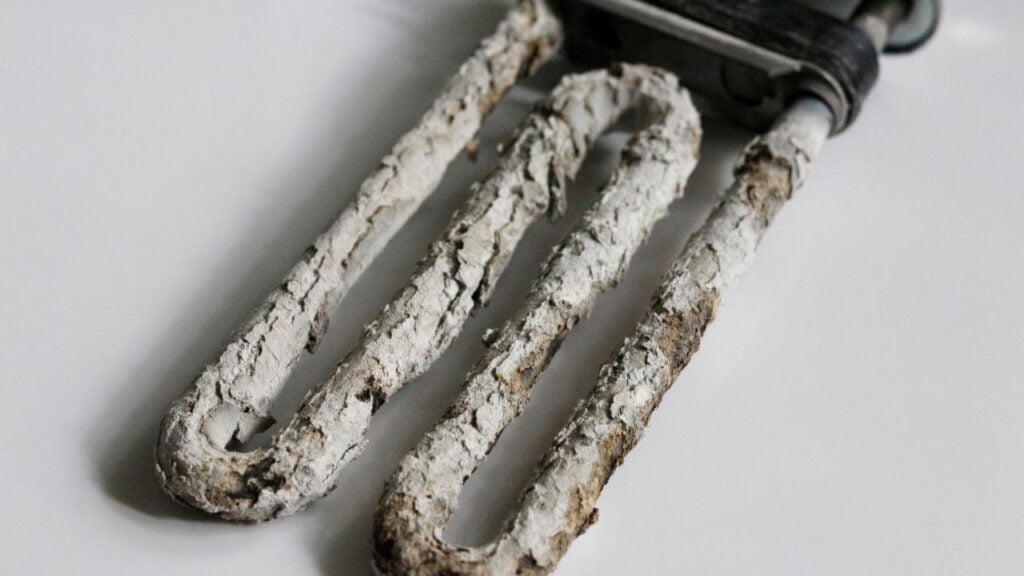
Minerals naturally present in your water settle at the bottom of the tank over time, forming a layer of sediment. For electric water heaters specifically, this sediment sits right where the lower heating element does its work, insulating it from the water it’s supposed to be heating. That forces the element to work harder, reduces efficiency, and can shorten its lifespan — sometimes causing it to burn out prematurely.
Flushing the tank — draining it fully and clearing out accumulated sediment — is generally recommended once a year, though homes with notably hard water may benefit from more frequent flushing. Beyond protecting the heating elements, a flushed tank simply heats water more efficiently, which can show up as a modest but real reduction in your electricity usage.
Check and Adjust Thermostat Settings
Many electric water heaters come from the factory set higher than most households actually need. The U.S. Department of Energy commonly recommends 120°F as a setting that balances comfort, safety, and efficiency for most homes — hot enough for typical household needs while reducing the risk of scalding and cutting down on standby energy loss.
If your thermostat has never been checked or adjusted, it’s worth having it verified during a maintenance visit. A setting that’s too high wastes energy and increases wear on components; a setting that’s too low can leave you without enough hot water and, in some cases, create conditions where bacteria can grow in the tank.
Test the Temperature and Pressure Relief Valve
The temperature and pressure (T&P) relief valve is a safety device designed to release water if the tank’s internal pressure or temperature reaches unsafe levels. Over time, these valves can become stuck or fail to seal properly after testing, which is exactly why this is a task best performed by a professional rather than attempted casually — a valve that doesn’t reseal correctly can create its own leak. Annual testing as part of a maintenance visit confirms the valve is functioning correctly, which is one of the more important safety checks on the entire unit.
Inspect for Leaks and Corrosion
A visual inspection around the base of the tank, the fittings, and the connections can catch small problems — a slow drip, early corrosion, a loose fitting — before they become bigger ones. Catching a small leak early is the difference between a minor repair and a fully failed tank flooding a utility closet or basement.
Insulate the Tank and Pipes (If Your Unit Qualifies)
Depending on the age and model of your water heater, adding an insulating blanket to the tank and insulating the first few feet of hot water piping can reduce standby heat loss, meaning the unit doesn’t have to work as hard to maintain temperature between uses. Not every unit needs this — many newer, high-efficiency models already have sufficient built-in insulation — but for older units, it can be a simple, low-cost efficiency improvement worth discussing with your plumber.
Watch for Early Warning Signs Between Visits
Maintenance isn’t just an annual event — a little awareness between service visits goes a long way. Water that’s taking longer to heat, a noticeable drop in hot water supply, unusual noises, or a slight rust tint to the hot water are all worth mentioning at your next visit, even if they seem minor. Catching these signs early is often what separates a simple component repair from a full tank replacement.
The Pain Point: Deferred Maintenance Is the Most Expensive Kind
Here’s what’s easy to overlook: a water heater that’s never been maintained doesn’t fail any less often — it just fails without warning, and usually earlier than it should have. A neglected anode rod, years of sediment buildup, and a never-tested relief valve don’t cost you anything on a monthly basis, right up until the tank fails, floods the surrounding area, and forces an emergency replacement instead of a planned one. The maintenance itself is a small, predictable cost. Skipping it just moves that cost later — and makes it bigger.
Related Reading
If you’re troubleshooting a current issue or weighing your options more broadly, a few of our other guides may help: our breakdown of common causes when an electric water heater stops producing hot water, our full guide to whether an electric water heater is the right fit for your home, and our comparison of gas water heater lifespan and warning signs if you’re curious how electric and gas units compare on longevity.
Let Professor Gatsby’s Keep Your Water Heater Running Longer
A little routine maintenance goes a long way toward getting the full lifespan out of your electric water heater — and avoiding an unexpected failure down the road. Our licensed technicians serve homeowners throughout Hammonton, Gibbsboro, Paulsboro, and the surrounding South Jersey area, offering thorough water heater maintenance alongside our water heater repair and water heater replacement services.
Ready to extend the life of your water heater? Contact Professor Gatsby’s or book a maintenance visit online today.
3 South Jersey Locations to Serve You