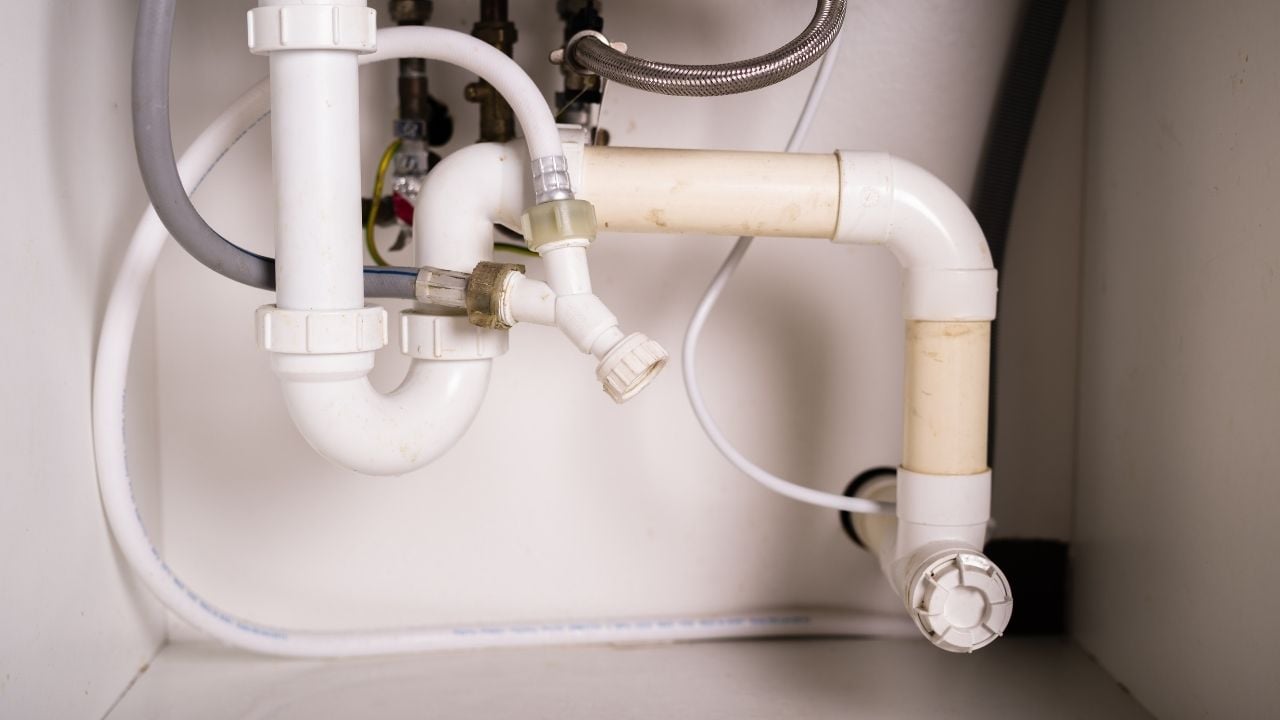
Most homeowners think of their plumbing as one system — turn on a faucet, water goes somewhere, done. But underneath every home is actually a connected network of different drain types, each with its own job, its own common failure points, and its own warning signs when something goes wrong. Understanding how these pieces connect isn’t just interesting trivia — it’s often the difference between correctly describing a problem to a plumber and being surprised when a “simple” clog turns out to be something bigger.
If you’re a homeowner in Oaklyn, Haddon Heights, or Pine Hill trying to make sense of a drainage issue, here’s how your home’s drain system is actually built, and why a clog in one spot can be a symptom of trouble somewhere else entirely.
Fixture Drains
These are the drains you interact with directly every day — the ones under your sinks, tubs, showers, and behind your toilets. Each fixture drain connects to a P-trap, the curved section of pipe that holds a small amount of standing water to block sewer gases from entering your home while still allowing wastewater to flow through.
How they clog: Fixture drains clog with whatever gets rinsed, washed, or flushed down them regularly — hair and soap scum in bathroom fixtures, food particles and grease in kitchen sinks, lint in laundry drains. Because the clog is close to the fixture itself, these are usually the easiest to diagnose and the most common candidates for a straightforward, contained repair.
Branch Lines
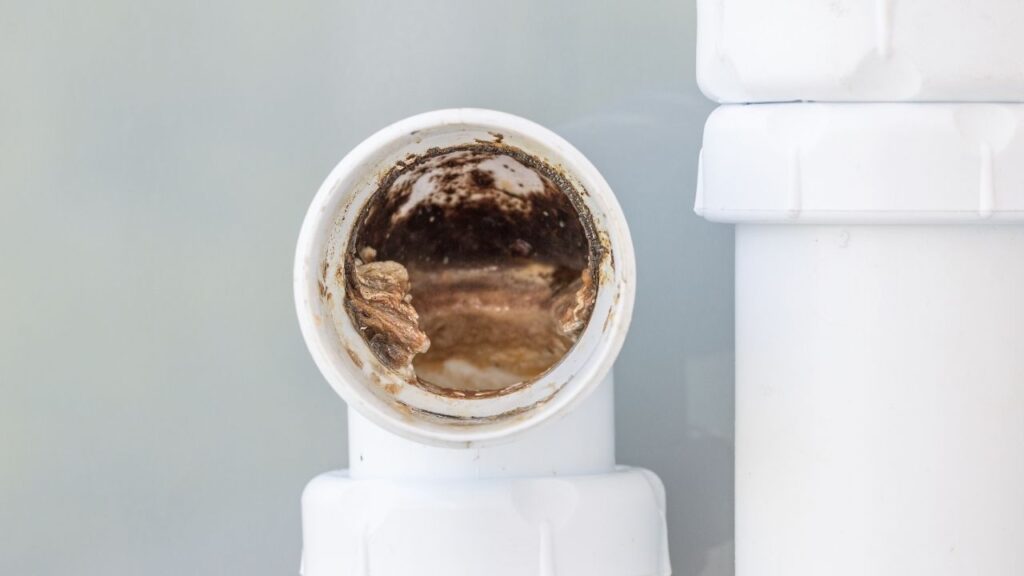
Branch lines are the pipes that carry wastewater away from an individual fixture or a small group of fixtures (like a full bathroom) toward the home’s main drain line. Think of them as the connectors between your fixture drains and the larger system.
How they clog: Branch line clogs often develop from buildup that’s traveled just past the fixture drain — grease that solidified further down the pipe, or a partial blockage where two branch lines join. A clog here can affect multiple fixtures that share the same branch, which is a useful clue: if your bathroom sink and tub are both draining slowly at the same time, the issue may be in the branch line they share, not two unrelated fixture problems.
The Main Drain Line (Building Drain)
All of your home’s branch lines eventually connect to a single main drain line, sometimes called the building drain, which carries all of your home’s wastewater toward the point where it exits your house and connects to either the municipal sewer or your septic system.
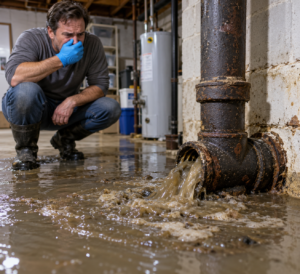
How it clogs: Because everything flows through this single pipe, a main line clog produces one of the most recognizable symptoms in home plumbing: multiple fixtures throughout the house backing up or draining slowly at the same time, often with the lowest drain in the house (frequently a basement floor drain) affected first or worst. Main line clogs are commonly caused by significant buildup, tree root intrusion, or a structural pipe issue, and they’re rarely something a simple fixture-level fix will resolve.
The Sewer Lateral
Beyond your home’s main drain line is the sewer lateral — the pipe that runs underground from your house to the municipal sewer connection at the street (or to your septic tank, if you’re on a septic system). This is technically outside your home, but as we’ve covered in our guide to old sewer pipes in Camden County homes, it’s almost always the homeowner’s responsibility to maintain.
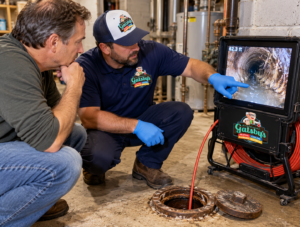
How it clogs: The sewer lateral is especially vulnerable to root intrusion, since tree roots seek out the moisture inside these pipes, and to age-related deterioration in older pipe materials like clay, cast iron, or Orangeburg. A clog or collapse here produces symptoms similar to a main line clog — widespread backups — but often requires camera inspection to locate precisely, since the pipe runs underground and out of easy reach.
Venting Stacks
Every drain system needs air to function properly, and that’s the job of the venting stack — pipes that typically run up through the roof, allowing air to enter the system as water drains and equalizing pressure so wastewater flows smoothly instead of getting trapped by suction.
How they “clog”: Vents don’t clog with the same debris that affects drain lines, but they can become blocked by leaves, debris, animal nests, or ice in winter. A blocked vent doesn’t stop water from draining exactly — instead, it often causes gurgling sounds, slow draining that seems to have no obvious cause, or sewer odors inside the home, since the system can’t properly equalize air pressure. This is a commonly overlooked cause of “mystery” drainage issues that don’t match the usual clog symptoms.
Floor Drains
Floor drains — typically found in basements, laundry rooms, and utility areas — sit at one of the lowest points in a home’s plumbing system, which gives them a unique role: they’re often the first place symptoms of a bigger problem show up.
How they clog: Floor drains themselves can clog from infrequent use allowing debris to settle, or from a dried-out trap seal (as we covered in our guide to strange water heater and drain noises territory of home diagnostics). But more importantly, because floor drains sit low in the system, a backup here — water coming up out of the floor drain rather than draining into it — is frequently a sign of a clog or blockage in the main line or sewer lateral, not a problem with the floor drain itself.
Cleanouts
Cleanouts aren’t a type of drain exactly, but they’re a critical part of the system worth understanding: these are capped access points, usually found along the main line or near the foundation, that allow a plumber to access the pipe directly for snaking, camera inspection, or hydro jetting without having to work through a fixture. Knowing where your home’s cleanouts are located can speed up service significantly when an issue does come up.
Why This All Matters: One Symptom, Multiple Possible Causes
Here’s the core lesson in understanding your home’s drain system: the same symptom can point to very different problems depending on which part of the system is actually affected. A single slow bathroom sink is very different from multiple fixtures backing up at once, which is different again from a floor drain bubbling up water, which is different from a mysterious gurgle with no visible water issue at all. Treating every clog the same way — reaching for a plunger or a chemical cleaner regardless of the symptom — means you might be addressing the wrong part of the system entirely, or missing a bigger issue hiding behind what looks like a minor one.
The Pain Point: Guessing Wrong Wastes Time While the Real Problem Grows
If a homeowner spends weeks trying to fix a recurring “kitchen sink clog” that’s actually a partial main line blockage, the real problem doesn’t pause while they experiment — it continues building, and the eventual full backup tends to be worse and more disruptive than if it had been correctly diagnosed from the start. Understanding which part of the system is actually failing isn’t just satisfying curiosity — it’s what determines whether you need a five-minute fixture fix or a deeper look at your main line or sewer lateral.
Not Sure Which Drain Is the Problem? Let Professor Gatsby’s Trace It
You don’t have to figure out your home’s entire drain system on your own. Our licensed plumbers serve homeowners throughout South Jersey area, and we can accurately trace where a clog or backup is actually originating — whether that means clearing a single fixture drain or performing a full sewer camera inspection to see exactly what’s happening underground.
Not sure which drain is causing your problem? Contact Professor Gatsby’s or book an appointment online and let us trace it correctly the first time.
3 South Jersey Locations to Serve You