

DIY Drain Snakes vs Professional Drain Augers: What’s the Real Difference?
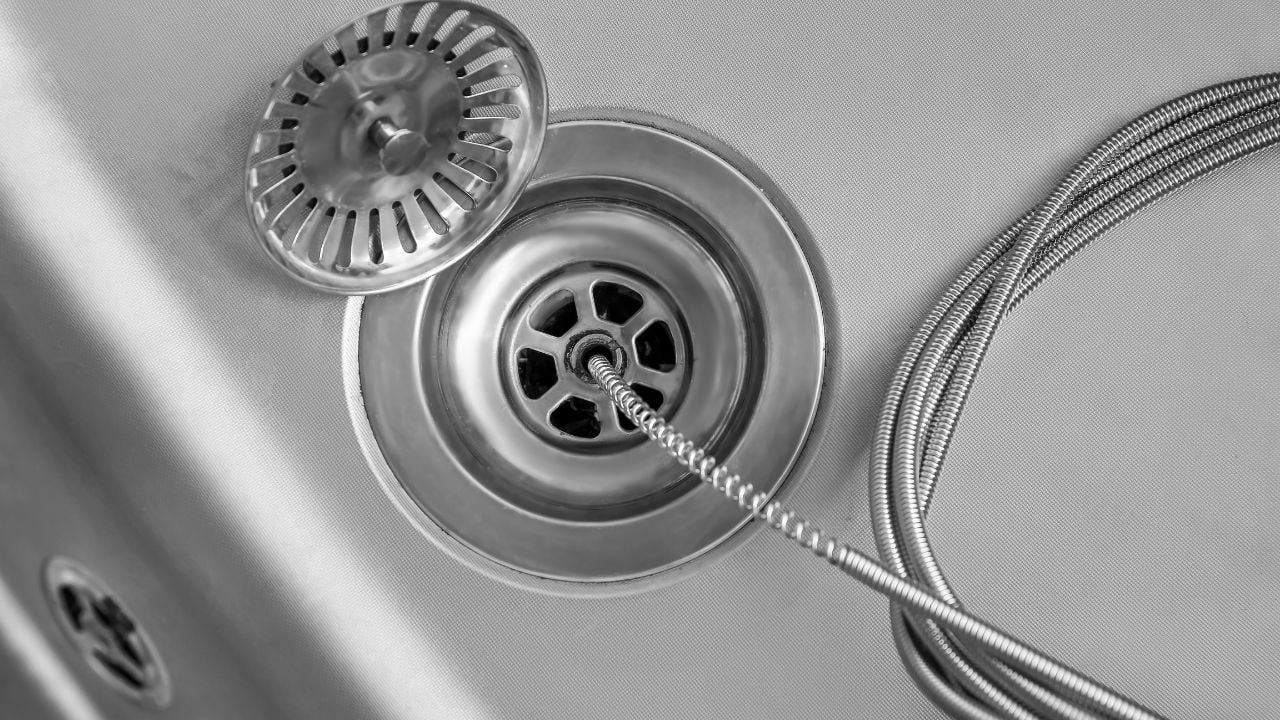
Walk into any hardware store and you’ll find a wall of drain-clearing tools promising to handle whatever’s clogging your pipes — plastic zip tools, hand-crank snakes, even small motorized augers available for rent. They’re not scams; these tools genuinely work for what they’re built to do. The problem is that most homeowners don’t realize how limited that scope actually is compared to what a professional-grade auger can reach, and using the wrong tool for the wrong depth of clog can waste time or even make the problem worse. If you’re a homeowner in Erial, Chesilhurst, or Laurel Springs trying to figure out whether that $8 tool from the hardware store will actually solve your clog, here’s the honest breakdown of what each option can — and can’t — do. Zip Tools and Plastic Hair Snakes These are the cheapest, most accessible option — a flexible plastic strip with small barbs along the sides, designed to be pushed a short distance into a drain and pulled back out, catching hair and surface debris on the way. Reach: Typically just a few inches to a foot or so — essentially the length of the trap and the very top of the drain opening. What they’re good for: Hair clogs in shower and tub drains, and light surface debris sitting right at the drain opening. For this specific, shallow use case, they genuinely work well and are worth having on hand. What they can’t do: Anything beyond the trap. These tools have no ability to reach a clog in a branch line or deeper in the system, and they’re not designed to break up anything more substantial than loose hair and light debris. Hand-Crank Drain Snakes (Manual Augers) This is the step up most homeowners reach for next — a coiled metal cable, typically 15 to 25 feet long, housed in a small drum with a hand crank that feeds the cable into the drain while a corkscrew-style tip attempts to hook or break through the clog. Reach: Usually 15 to 25 feet, which can get past the trap and into the branch line in many cases, though how much of that length actually reaches usable depth depends on how many bends and turns the pipe has along the way. What they’re good for: Clogs sitting within the branch line that a zip tool can’t reach — often useful for a single stubborn fixture drain clog that hasn’t fully resolved with simpler methods. What they can’t do: Hand-crank snakes have limited torque compared to motorized equipment, meaning they can struggle with dense or compacted clogs, and their reach effectively ends well before the main line for most homes. They can also be difficult to control precisely, which creates a real risk of scratching porcelain fixtures or, in inexperienced hands, pushing a clog further into the pipe rather than actually clearing it. Professional Motorized Drain Augers This is the equipment licensed plumbers use, and it operates on a different scale entirely. Motorized augers use a powered drum to drive a much longer, heavier-gauge cable through the pipe, with interchangeable cutting heads designed for different clog types — root cutting heads, retrieval heads for foreign objects, and standard clog-clearing heads. Reach: Commonly 50 to 100+ feet depending on the specific machine, which means these tools can travel through branch lines, into the main drain line, and in many cases all the way to the sewer lateral connection — territory no consumer tool comes close to reaching. What they’re good for: Main line clogs, root intrusion, and any blockage sitting well beyond what a hand-crank snake can physically reach. The motorized power also allows these machines to break through dense, compacted clogs that would stall a hand-crank tool entirely. Why professional operation matters: These machines carry real torque and cutting power, and used incorrectly, they can damage pipes, get lodged in the line, or cause injury to an inexperienced operator. Renting a motorized auger without proper technique is one of the more common ways homeowners turn a clog into a more expensive repair — either by damaging the pipe itself or by getting the equipment stuck and needing a plumber to extract it before any actual clog-clearing can happen. Why “Deeper” Isn’t Just About Length The length difference between these tools isn’t the only factor — it’s what that length actually allows a plumber to diagnose and fix. A clog 10 feet into a branch line is a very different problem than a root intrusion 40 feet down at the sewer lateral connection, and only professional-grade equipment can physically reach, diagnose, and clear the second scenario. This is also why many professional drain visits pair a motorized auger with a camera inspection — reaching a clog is one thing, but understanding what caused it (buildup, roots, a structural pipe issue) is what actually prevents it from coming right back. The Pain Point: The Wrong Tool Can Make the Problem Worse, Not Just Fail to Fix It Here’s what’s easy to overlook when grabbing a hardware-store tool: using an underpowered tool on a clog that’s actually further down the line doesn’t just fail to solve the problem — it can actively make things harder to diagnose later. A hand-crank snake pushed forcefully against a clog it can’t actually clear can compact the blockage further, and cable that gets stuck or kinked inside the pipe sometimes has to be professionally removed before any further work can even begin. What started as a DIY attempt to save a service call can end up adding an extra complication to the job a plumber eventually has to do anyway. When It’s Reasonable to DIY, and When It’s Not A zip tool for a hair clog in the shower, or a hand-crank snake for a single slow bathroom sink that hasn’t responded to simpler methods, are both reasonable first steps. But if a clog hasn’t cleared after a genuine attempt with either of these tools, if multiple fixtures are affected at
The Different Types of Drains in Your Home (And Why Each Clogs Differently)
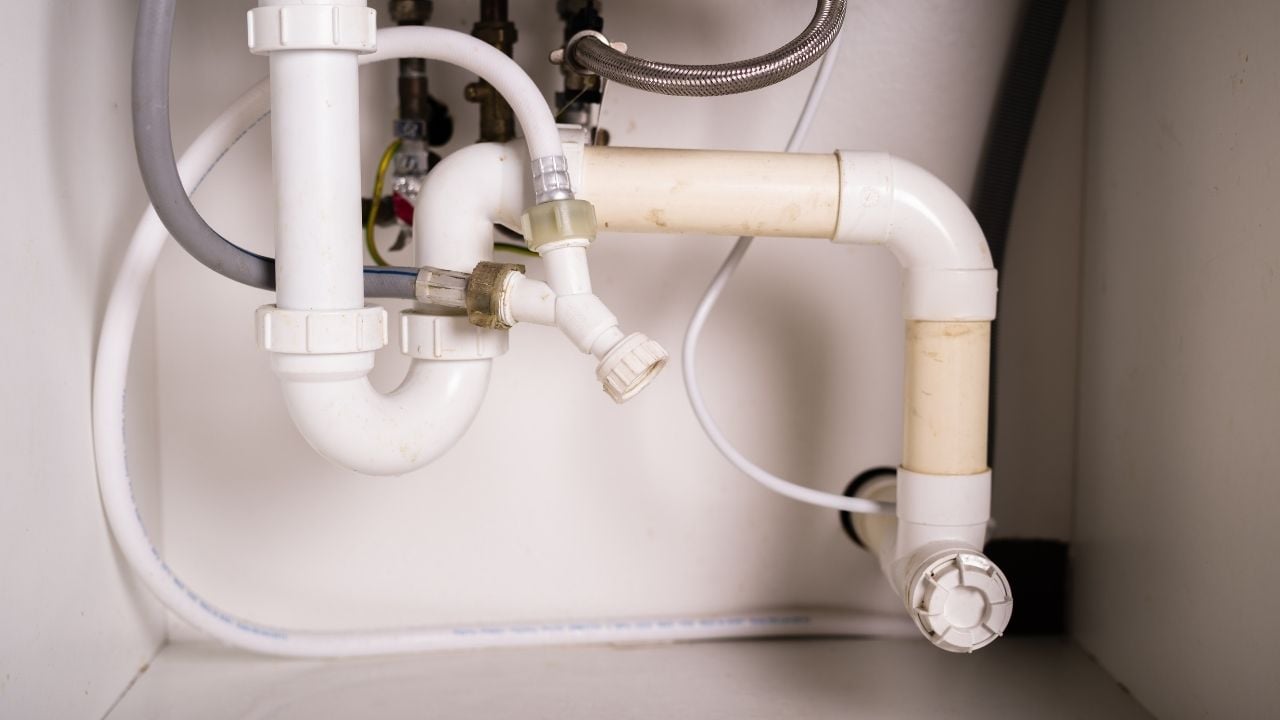
Most homeowners think of their plumbing as one system — turn on a faucet, water goes somewhere, done. But underneath every home is actually a connected network of different drain types, each with its own job, its own common failure points, and its own warning signs when something goes wrong. Understanding how these pieces connect isn’t just interesting trivia — it’s often the difference between correctly describing a problem to a plumber and being surprised when a “simple” clog turns out to be something bigger. If you’re a homeowner in Oaklyn, Haddon Heights, or Pine Hill trying to make sense of a drainage issue, here’s how your home’s drain system is actually built, and why a clog in one spot can be a symptom of trouble somewhere else entirely. Fixture Drains These are the drains you interact with directly every day — the ones under your sinks, tubs, showers, and behind your toilets. Each fixture drain connects to a P-trap, the curved section of pipe that holds a small amount of standing water to block sewer gases from entering your home while still allowing wastewater to flow through. How they clog: Fixture drains clog with whatever gets rinsed, washed, or flushed down them regularly — hair and soap scum in bathroom fixtures, food particles and grease in kitchen sinks, lint in laundry drains. Because the clog is close to the fixture itself, these are usually the easiest to diagnose and the most common candidates for a straightforward, contained repair. Branch Lines Branch lines are the pipes that carry wastewater away from an individual fixture or a small group of fixtures (like a full bathroom) toward the home’s main drain line. Think of them as the connectors between your fixture drains and the larger system. How they clog: Branch line clogs often develop from buildup that’s traveled just past the fixture drain — grease that solidified further down the pipe, or a partial blockage where two branch lines join. A clog here can affect multiple fixtures that share the same branch, which is a useful clue: if your bathroom sink and tub are both draining slowly at the same time, the issue may be in the branch line they share, not two unrelated fixture problems. The Main Drain Line (Building Drain) All of your home’s branch lines eventually connect to a single main drain line, sometimes called the building drain, which carries all of your home’s wastewater toward the point where it exits your house and connects to either the municipal sewer or your septic system. How it clogs: Because everything flows through this single pipe, a main line clog produces one of the most recognizable symptoms in home plumbing: multiple fixtures throughout the house backing up or draining slowly at the same time, often with the lowest drain in the house (frequently a basement floor drain) affected first or worst. Main line clogs are commonly caused by significant buildup, tree root intrusion, or a structural pipe issue, and they’re rarely something a simple fixture-level fix will resolve. The Sewer Lateral Beyond your home’s main drain line is the sewer lateral — the pipe that runs underground from your house to the municipal sewer connection at the street (or to your septic tank, if you’re on a septic system). This is technically outside your home, but as we’ve covered in our guide to old sewer pipes in Camden County homes, it’s almost always the homeowner’s responsibility to maintain. How it clogs: The sewer lateral is especially vulnerable to root intrusion, since tree roots seek out the moisture inside these pipes, and to age-related deterioration in older pipe materials like clay, cast iron, or Orangeburg. A clog or collapse here produces symptoms similar to a main line clog — widespread backups — but often requires camera inspection to locate precisely, since the pipe runs underground and out of easy reach. Venting Stacks Every drain system needs air to function properly, and that’s the job of the venting stack — pipes that typically run up through the roof, allowing air to enter the system as water drains and equalizing pressure so wastewater flows smoothly instead of getting trapped by suction. How they “clog”: Vents don’t clog with the same debris that affects drain lines, but they can become blocked by leaves, debris, animal nests, or ice in winter. A blocked vent doesn’t stop water from draining exactly — instead, it often causes gurgling sounds, slow draining that seems to have no obvious cause, or sewer odors inside the home, since the system can’t properly equalize air pressure. This is a commonly overlooked cause of “mystery” drainage issues that don’t match the usual clog symptoms. Floor Drains Floor drains — typically found in basements, laundry rooms, and utility areas — sit at one of the lowest points in a home’s plumbing system, which gives them a unique role: they’re often the first place symptoms of a bigger problem show up. How they clog: Floor drains themselves can clog from infrequent use allowing debris to settle, or from a dried-out trap seal (as we covered in our guide to strange water heater and drain noises territory of home diagnostics). But more importantly, because floor drains sit low in the system, a backup here — water coming up out of the floor drain rather than draining into it — is frequently a sign of a clog or blockage in the main line or sewer lateral, not a problem with the floor drain itself. Cleanouts Cleanouts aren’t a type of drain exactly, but they’re a critical part of the system worth understanding: these are capped access points, usually found along the main line or near the foundation, that allow a plumber to access the pipe directly for snaking, camera inspection, or hydro jetting without having to work through a fixture. Knowing where your home’s cleanouts are located can speed up service significantly when an issue does come up. Why This All Matters: One Symptom, Multiple Possible
Chemical Drain Cleaners: Why Plumbers Warn Against Them
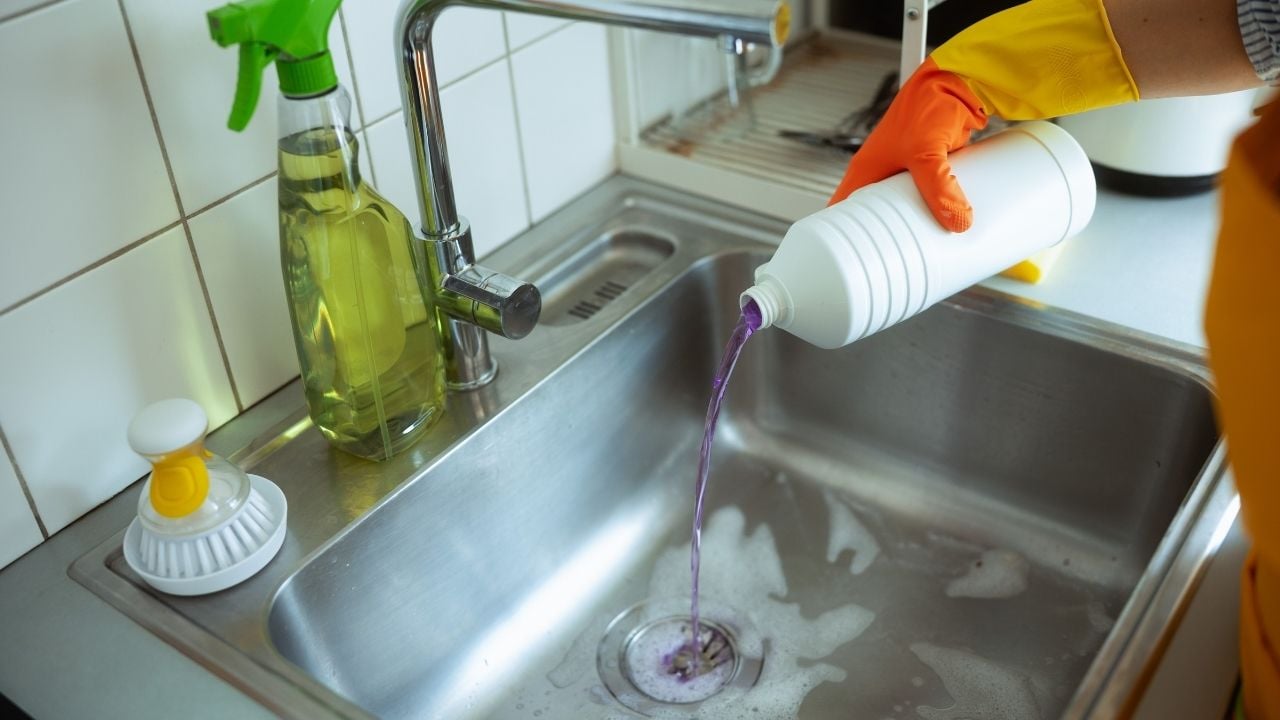
Reaching for a bottle of drain cleaner feels like the obvious first move when a sink stops draining. It’s sitting right there on the store shelf, promises to dissolve the clog in minutes, and doesn’t require calling anyone. But ask any licensed plumber, and you’ll get the same answer: chemical drain cleaners are one of the most common ways homeowners turn a manageable clog into a much bigger, more expensive problem. If you’re a homeowner in Maple Shade, Delran, or Beverly reaching for that bottle under the sink, here’s what these products actually do inside your pipes — and why professional clearing is almost always the safer, more lasting fix. How Chemical Drain Cleaners Actually Work Most store-bought drain cleaners fall into one of three categories, and each works through a different — often harsh — chemical reaction: Caustic cleaners (typically containing lye or sodium hydroxide) work by generating heat and breaking down organic material like hair and grease through a chemical reaction. That heat is intense enough to soften clogs, but it’s also intense enough to stress plastic pipe fittings and seals not built to handle it repeatedly. Acid-based cleaners (often containing sulfuric acid) work more aggressively and faster than caustic products, dissolving organic material through a strong acidic reaction. These are the harshest consumer-available option and carry real safety risk if mishandled. Oxidizing cleaners use a chemical reaction that generates gas to break down blockages. These are generally milder than the other two types but still involve a reactive chemical process happening inside your pipes, not just a mechanical clearing. In every case, the “clean” you’re seeing — water draining again — often just means a narrow channel has been dissolved through the clog, not that the clog and the buildup coating the pipe walls have actually been removed. Why These Products Damage Older Pipes South Jersey has no shortage of homes with plumbing that predates modern PVC — older galvanized steel, cast iron, and even homes with a mix of pipe materials from decades of partial updates. Chemical drain cleaners pose a real risk to exactly this kind of plumbing: Heat damage to plastic components. The intense heat generated by caustic cleaners can soften or warp older PVC pipes, and repeated use accelerates wear on joints and seals that were never designed to handle that kind of thermal stress on a regular basis. Corrosion of metal pipes. Acidic and caustic formulas can accelerate corrosion in aging metal pipes, thinning pipe walls that are often already compromised by years of use. What starts as a clog can end with a pinhole leak or a pipe failure caused not by age alone, but by repeated chemical exposure. Damage to fixtures, not just pipes. Porcelain, older enamel finishes, and certain fixture materials can also be damaged by prolonged or repeated contact with harsh drain chemicals, leading to etching or discoloration beyond the pipe itself. The irony is that homes with the oldest, most vulnerable plumbing are often the ones where chemical drain cleaners get reached for most — because older pipes clog more often, and the bottle feels like the fast fix. The Danger of Mixing Products One of the most serious risks with chemical drain cleaners isn’t the product itself — it’s what happens when different chemical products come into contact with each other inside a drain. Certain common household cleaning chemicals, when combined, can produce toxic fumes that are dangerous to breathe in an enclosed space like a bathroom or under-sink cabinet. This risk is especially real when a homeowner tries one product, it doesn’t fully work, and they pour in a different type of drain cleaner (or even an unrelated household cleaner) without flushing thoroughly in between. The safest rule is simple: never mix drain cleaning products, and never use a second chemical product if the first one hasn’t fully cleared the clog. If you’ve already used a chemical cleaner and the clog remains, that’s the moment to call a plumber — not to try a stronger product on top of it. Chemical Cleaners Often Mask the Real Problem Here’s the issue that matters most for long-term pipe health: even when a chemical cleaner successfully restores drainage, it frequently hasn’t solved the underlying problem. Dissolving a channel through a clog is not the same as removing the buildup coating the interior of the pipe, clearing a root intrusion, or addressing a structural issue like a bellied or misaligned section of pipe. This means a homeowner can pour chemical cleaner down the same drain every few months, get temporary relief each time, and never actually address why that drain keeps clogging in the first place — all while potentially accelerating pipe damage with every application. What looks like a series of quick fixes is often, in reality, a slowly worsening problem being chemically papered over. Safety Risks to You, Not Just Your Pipes Beyond pipe damage, chemical drain cleaners carry direct safety risks to the person using them: skin and eye contact with concentrated caustic or acidic formulas can cause serious burns, and inhaling fumes in a poorly ventilated bathroom or utility space can cause respiratory irritation. Splashback while pouring — especially into a sink or tub that already has standing water — is a common way these injuries happen, even among people being careful. If a chemical drain cleaner has been used and a clog still isn’t resolved, a plumber needs to know that before doing any further work — mechanical tools used on a drain that still contains chemical residue can cause splashback risk for the technician as well, which is exactly why being upfront about what’s already been tried matters. What Plumbers Use Instead — and Why It Works Better Professional drain cleaning relies on mechanical methods rather than chemical reactions: motorized drain snaking physically breaks up and removes a clog rather than dissolving a channel through it, and hydro jetting uses high-pressure water to scour the full interior of the pipe, removing grease,
Tankless Water Heater Maintenance: Why Annual Descaling Matters
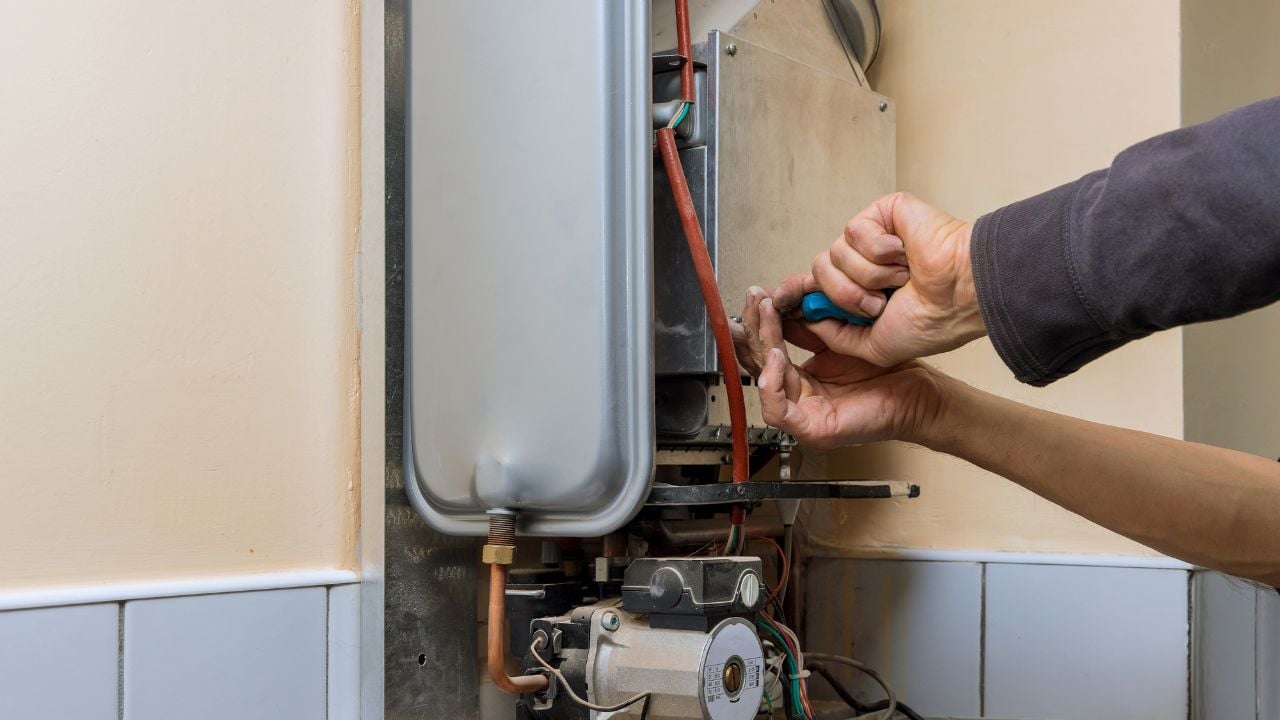
Tankless water heaters are sold on longevity — 15 to 20+ years of continuous hot water, well beyond what a traditional tank typically delivers. But that longevity isn’t automatic. It depends on one maintenance task more than any other: annual descaling. Skip it, and even the best-built tankless unit can lose efficiency, strain its components, and fall well short of its expected lifespan. If you’re a homeowner in Palmyra, Riverside, or Willingboro with a tankless water heater — or considering installing one — here’s why descaling matters so much more for tankless units than it ever did for a traditional tank. Why Hard Water Hits Tankless Units Harder Every water heater deals with mineral content in the water supply, but tankless units are affected differently than traditional tanks. In a standard tank, minerals settle as sediment at the bottom, and while that buildup is a real maintenance concern, the tank’s size gives it some tolerance before performance is significantly affected. Tankless units work differently. Water passes through a compact heat exchanger, heated directly and rapidly as it flows. That heat exchanger has a much smaller internal surface area than a tank, and it’s exposed to a continuous, high-flow stream of water every time hot water is used. Minerals in the water — primarily calcium and magnesium, the components of what’s commonly called “hard water” — deposit onto the interior of that heat exchanger as scale, gradually narrowing the passages the water flows through. South Jersey’s water hardness varies by municipality and water source, but many homes across the region deal with moderately hard water, which is exactly the condition that accelerates scale buildup inside a tankless unit’s heat exchanger. What Scale Buildup Actually Does to the Unit Scale isn’t just a cosmetic issue — it directly affects how the unit performs and how hard it has to work: Reduced heat transfer efficiency. Scale acts as an insulating layer between the heat source and the water flowing past it, meaning the unit has to work harder and burn more fuel (or draw more electricity) to deliver the same water temperature. Restricted water flow. As scale builds up inside the narrow passages of the heat exchanger, it can reduce the unit’s flow rate, leading to lower water pressure or an inability to keep up with simultaneous demand the way it once could. Increased strain on components. A heat exchanger working harder to compensate for scale buildup experiences more thermal stress over time, which can shorten the life of the component and increase the likelihood of a failure well before the unit’s rated lifespan. Error codes and shutdowns. Many tankless units are designed to detect flow restrictions or overheating conditions caused by scale and will shut down or display an error code rather than continue operating under stress — meaning a homeowner with a heavily scaled unit may lose hot water entirely, not just experience reduced performance. What Manufacturers Actually Recommend This isn’t a maintenance step manufacturers treat as optional. Both Rinnai and Navien recommend annual descaling for most residential installations, and both note that this frequency should increase in areas with harder water. This recommendation exists specifically because scale-related heat exchanger issues are among the most common — and most preventable — problems these manufacturers see in the field. It’s also worth understanding that heat exchanger warranty claims often require documentation showing recommended maintenance was actually performed. A homeowner who skips descaling for years and then experiences a heat exchanger failure may find that the very component the warranty is meant to protect isn’t covered, because the maintenance requirement that keeps the warranty valid wasn’t met. What Descaling Actually Involves Descaling is a maintenance service that circulates a mild, food-safe descaling solution through the unit’s heat exchanger using isolation valves that are typically installed alongside the unit at the time of installation. The solution dissolves accumulated mineral scale from the interior surfaces, restoring the heat exchanger closer to its original efficiency and flow capacity. This process typically takes under an hour for a straightforward residential unit, and while it’s technically something an experienced DIYer could attempt with the right equipment, most homeowners choose to have it done as part of a professional maintenance visit — both because it confirms the job is done correctly and because a technician can simultaneously check other components (venting, ignition, water and gas connections) that are worth a periodic look anyway. Signs Your Unit May Already Need Descaling While annual service should catch this before it becomes noticeable, a few signs suggest scale buildup may already be affecting performance: Hot water taking noticeably longer to reach temperature A drop in water pressure specifically when hot water is running Inconsistent temperature during use, especially with multiple fixtures running Error codes displayed on the unit’s control panel An audible change in operating sound, sometimes described as a faint rattling or knocking If you’re noticing any of these and it’s been more than a year since your last descaling — or you’re not sure if it’s ever been done — that’s a reasonable trigger to schedule service rather than wait. The Pain Point: The Cost of Skipping Maintenance Is Larger Than the Maintenance Itself Here’s the trade-off worth understanding clearly: annual descaling is a modest, predictable maintenance cost. A heat exchanger failure caused by years of accumulated scale is not — it’s a significant repair, potentially not covered by warranty if maintenance wasn’t documented, and it can mean losing hot water entirely until the unit is repaired or replaced. The entire value proposition of tankless — a longer lifespan than a traditional tank — depends on this one recurring service actually happening on schedule. Skipping it doesn’t just risk a bigger bill later; it undermines the exact reason many homeowners choose tankless in the first place. Related Reading If you’re still deciding whether tankless makes sense for your home, our guide on what to check before switching to tankless covers gas line, venting, and demand considerations. And if you’re
Is Your Home a Good Fit for a Tankless Water Heater? What to Check First
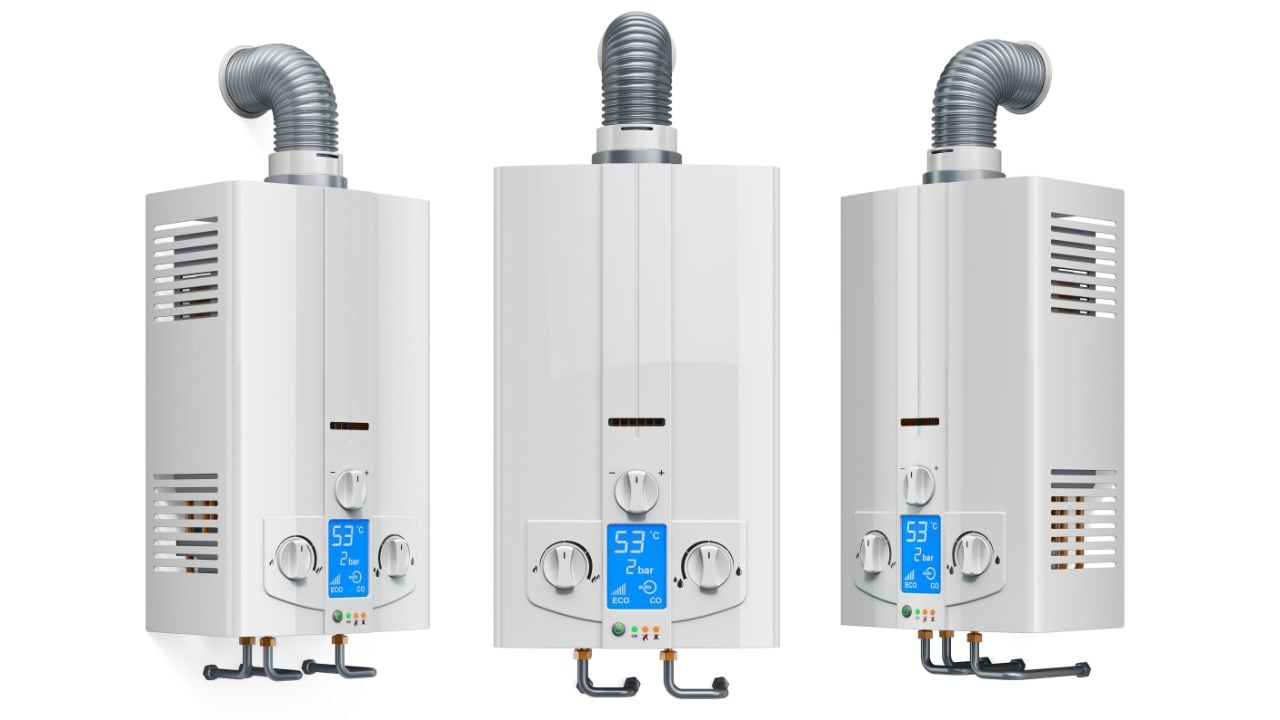
Tankless water heaters deliver real advantages — continuous hot water, a longer lifespan, and better long-term efficiency. But “better” doesn’t automatically mean “drop-in replacement.” Because tankless units work fundamentally differently than a traditional tank, some homes need upgrades to their gas line, venting, or electrical setup before a tankless system can perform the way it’s supposed to. Knowing what to check before you request a quote can save you from sticker shock — or help you walk in already prepared for what the upgrade will involve. If you’re a homeowner in Mount Holly, Lumberton, or Medford Lakes considering the switch, here’s what actually determines whether your home is tankless-ready. Gas Line Sizing This is the single most common upgrade required when switching to a gas tankless unit, and it’s worth understanding why. Tankless water heaters generate heat on demand, which means they draw a significantly higher gas flow rate (measured in BTUs) at any given moment compared to a traditional tank, which heats water gradually and stores it. Many homes plumbed for a standard tank water heater have a gas line sized adequately for that unit’s lower, steady demand — but undersized for a tankless unit’s higher peak demand. If the existing gas line isn’t large enough, the tankless unit won’t be able to draw enough fuel to perform at its rated capacity, which can result in inconsistent water temperature or the unit failing to keep up with demand entirely. What to check: Ask whether your home’s gas meter and the line running to the water heater location have been sized for a tankless unit’s BTU requirements — this is something a licensed plumber can assess quickly, but it’s rarely something a homeowner can accurately judge on their own. Venting Requirements Tankless water heaters vent differently than traditional tank units, and the venting type required depends on the specific model and its efficiency rating. Many tankless units use PVC or specialized venting material rather than the metal venting common with standard tank units, and they often require a dedicated vent run to the exterior of the home, sometimes through a wall rather than up through an existing chimney. What to check: Consider where the unit will be installed relative to an exterior wall, whether the existing vent path (if replacing a tank unit in the same location) is compatible with tankless venting requirements, and whether your home’s layout allows for a reasonably direct vent run. Homes with the water heater located in an interior space far from an exterior wall may face more significant venting work than homes with the unit already near an outside wall. Simultaneous Hot Water Demand One of tankless’s biggest selling points — continuous hot water — depends entirely on correct sizing for your household’s peak usage. Tankless units are rated by flow rate (gallons per minute, or GPM) rather than storage capacity, and if your household regularly runs multiple hot water fixtures at once — a shower, the dishwasher, and a load of laundry, for example — the unit needs to be sized to handle that combined demand without a drop in temperature or pressure. What to check: Think through your household’s actual peak usage patterns, not just average day-to-day use. A single-person household with staggered hot water use has very different requirements than a family of five all getting ready in the same 45-minute window. This directly determines what size (or whether multiple units) your home actually needs. Electrical Requirements Even gas tankless units typically require an electrical connection to power their ignition system and internal controls — this is different from a standard tank with a continuous pilot light, which may not need electrical power to function at all. Most tankless units need a standard 120V outlet near the installation location, which is a minor requirement for most homes but worth confirming isn’t a gap, particularly in older utility spaces that may not have a nearby outlet. What to check: Confirm there’s an accessible power outlet near the planned installation location, or budget for adding one as part of the installation. Water Quality and Hardness Tankless units are more sensitive to hard water than traditional tanks, since mineral scale builds up inside the compact heat exchanger faster than sediment would settle in a larger tank. This doesn’t disqualify a home from going tankless, but it does mean homes with notably hard water should plan for more frequent descaling maintenance, and in some cases, a water softening system becomes a worthwhile companion investment to protect the unit and preserve its warranty coverage. What to check: If you already know your home has hard water, factor annual (or more frequent) descaling into your ongoing maintenance plan from the start rather than treating it as an afterthought. Available Installation Space While tankless units are more compact than a storage tank, they still need adequate clearance for safe operation, service access, and code-compliant venting. Tight utility closets built specifically around the dimensions of an old tank unit may need some reconfiguration to accommodate a tankless unit’s mounting and clearance requirements. What to check: A quick look at the intended installation location — wall space, clearance around the unit, and proximity to gas, water, and electrical connections — helps set realistic expectations before a professional site visit. The Pain Point: Skipping This Step Leads to Budget Surprises Here’s why pre-checking these items matters: homeowners who request a tankless quote without any sense of their home’s gas line size, venting path, or peak demand often get blindsided by the total cost once a plumber identifies necessary upgrades on-site. None of these upgrades are unusual or a sign something’s wrong with your home — they’re simply part of what a tankless conversion sometimes requires — but being surprised by them after you’ve mentally committed to a number is a frustrating way to start the project. Understanding these factors upfront means you’re budgeting for the real cost from day one, not discovering it partway through. Related Reading If you’re still
How Long Do Tankless Water Heaters Last? Rinnai and Navien Compared
One of the biggest selling points of a tankless water heater is longevity — most tankless units are built to outlast a traditional tank by a significant margin. But “longer lifespan” only holds true if the unit is properly sized, professionally installed, and maintained on schedule. Two of the most trusted names in tankless technology, Rinnai and Navien, both build units designed for long service life, but their warranty structures and maintenance expectations differ in ways worth understanding before you choose one. If you’re a homeowner in Southern NJ considering a tankless upgrade, here’s how these two brands actually compare — and what determines whether your unit hits the high end of its expected lifespan or falls short of it. Expected Lifespan: Tankless vs. Traditional A well-maintained tankless water heater commonly lasts 15 to 20+ years, roughly double the lifespan of a traditional tank unit, which typically runs 8 to 12 years. This is one of the strongest arguments for going tankless in the first place — fewer replacements over the life of a home, and a longer runway before you’re back in the market for a new unit. That said, “commonly lasts” is doing real work in that sentence. Reaching the upper end of that range depends heavily on water quality and whether the unit receives its recommended maintenance — particularly descaling, which matters more for tankless units than it does for traditional tanks. SEE OUR GUIDE: Tankless Water Heater Sizing Rinnai: Warranty and Lifespan Expectations Rinnai backs its residential tankless units with meaningful long-term coverage, though the exact terms vary by series. Heat exchanger warranties on Rinnai residential models commonly range from 10 to 15 years depending on the specific series, while labor coverage is typically 1 year standard — extendable to 5 years if the unit is registered within 90 days of installation. That registration window matters: skipping it means leaving warranty coverage on the table that costs nothing to claim. Rinnai’s warranty terms are also affected by how the unit is used. Certain recirculation configurations and specific temperature settings can adjust the length of heat exchanger coverage, which is one more reason professional installation matters — an installer familiar with Rinnai’s warranty conditions can help ensure the unit qualifies for its full coverage from day one. Navien: Warranty and Lifespan Expectations Navien’s warranty structure is broadly similar in scope, with residential heat exchanger coverage commonly reaching up to 15 years on many current series, alongside a 5-year parts warranty and 1-year labor coverage. Some Navien combi (combination water heating and space heating) installations carry different, typically shorter, heat exchanger terms than standard domestic hot water setups, so the specific application matters when comparing warranty length. Like Rinnai, Navien’s warranty coverage depends on proper registration and professional installation performed in compliance with the manufacturer’s installation requirements — a detail that reinforces why this isn’t a unit to consider installing without a licensed professional, warranty terms aside. Maintenance Requirements: Where the Real Difference Shows Up Here’s what separates a tankless unit that reaches 18–20 years from one that needs major component work at year 8: routine maintenance, especially descaling. Because tankless units heat water by passing it through a compact heat exchanger rather than storing it in a tank, mineral scale from hard water builds up inside that exchanger much faster than sediment would settle in a traditional tank — and it directly restricts the unit’s ability to heat water efficiently. Both Rinnai and Navien recommend annual descaling for most residential installations, more frequently in areas with notably hard water. Skipping this maintenance doesn’t just risk voiding warranty coverage on a heat exchanger failure — heat exchanger warranty claims often require proof that recommended maintenance was actually performed — it also shortens the unit’s realistic lifespan regardless of how good the underlying equipment is. Which Brand Should You Choose? In practice, Rinnai and Navien are both well-regarded, professional-grade brands, and the right choice for your home often comes down to specific model features, your installer’s experience with a given brand, and the exact warranty terms of the model being considered — rather than one brand being definitively superior to the other across the board. Both require the same fundamental commitment from the homeowner: professional installation, proper registration, and annual maintenance. The Pain Point: Skipping Maintenance Erases the Longevity Advantage Here’s the trade-off worth understanding clearly: the entire case for spending more upfront on a tankless system rests on it lasting significantly longer than a traditional tank. Skip the annual descaling, and that advantage starts to erode — a neglected tankless unit can face efficiency loss, increased strain on components, and heat exchanger issues well before it reaches even the lifespan of a well-maintained traditional tank. The higher upfront cost of tankless only pays off if the maintenance actually happens. Related Reading If you’re still deciding between tankless and a traditional tank altogether, our full comparison of tankless vs. traditional water heaters for NJ homes covers the cost and performance trade-offs in more depth. Let Professor Gatsby’s Help You Choose and Maintain the Right Unit Whether you’re comparing Rinnai and Navien or deciding if tankless is right for your home at all, our licensed technicians serve homeowners throughout Newfield, Malaga, Elmer, and the surrounding South Jersey area. We install and service tankless water heaters from both brands, and we can set your unit up on a maintenance schedule that protects both its warranty and its expected lifespan. Considering a tankless upgrade? Contact Professor Gatsby’s or book an appointment online to talk through which brand and model fits your home. 3 South Jersey Locations to Serve You