

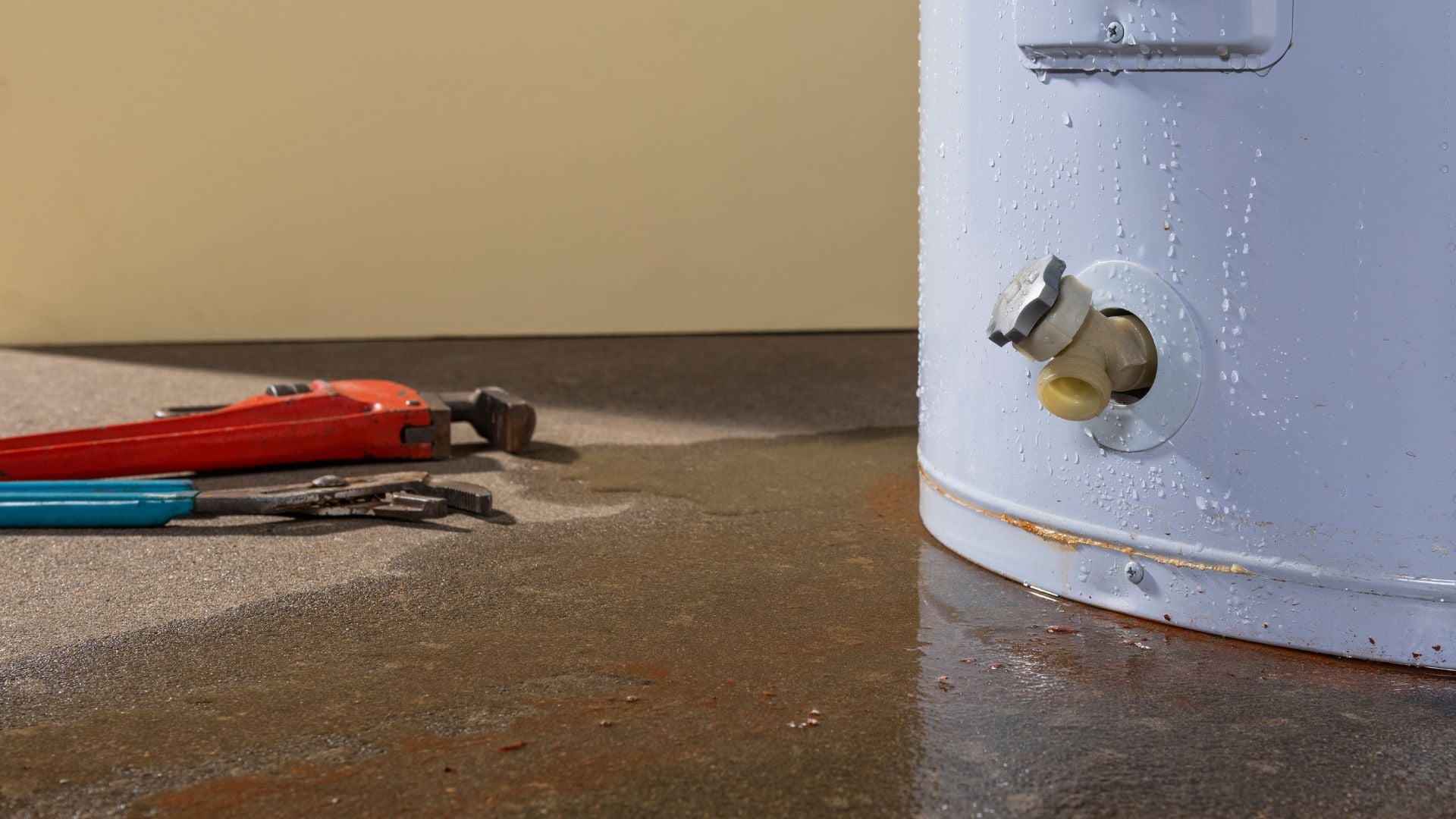
Why Is My Water Heater Leaking? 5 Possible Causes (and What to Do Next)
Finding water pooling around your water heater is one of those moments that immediately raises the stakes. Is it a minor drip you can deal with this weekend, or a sign the tank is about to fail completely? The honest answer is: it depends on where the water is coming from — and that’s exactly what most homeowners can’t tell just by looking at a puddle. If you’re a homeowner in Wenonah, National Park, or Mickleton staring at an unexpected leak, here are the five most common causes, how to narrow down which one you’re dealing with, and what to do right now to protect your home. 1. Tank Corrosion This is the cause every homeowner dreads, because it usually means the tank itself has reached the end of its life. Every water heater tank has a sacrificial anode rod designed to corrode first and protect the steel tank lining. Once that rod is fully depleted — which typically happens over years of use, faster in homes with harder water — the tank’s interior begins corroding directly. Eventually, that corrosion creates a pinhole leak or a larger crack in the tank itself. How to tell: A leak from tank corrosion often appears as moisture seeping from the tank’s body itself, not from a specific fitting or valve. Rust-colored water, or rust staining around the leak, is another strong indicator. What this means: Unlike a fitting or valve, a corroded tank cannot be repaired — once the tank itself is compromised, replacement is the only real option. 2. Loose or Failing Fittings and Connections Water heaters have several fittings and connection points — where the water supply lines connect, where the drain valve attaches, and where other components thread into the tank. Over time, these connections can loosen due to normal vibration and temperature changes, or the washers and seals inside them can degrade. How to tell: Leaks from fittings are usually localized to a specific spot — you can often trace the moisture back to one particular connection point rather than the tank body itself. What this means: This is one of the more repairable causes on this list. In many cases, tightening or replacing a fitting resolves the leak entirely, without needing to touch the tank. 3. A Failing Temperature and Pressure (T&P) Relief Valve The T&P relief valve is a safety device designed to release water automatically if the tank’s internal pressure or temperature reaches unsafe levels. Valves can fail in two ways relevant to leaks: they can develop a slow drip due to normal wear and mineral buildup, or they can be triggered by an actual pressure or temperature problem inside the tank — meaning the “leak” is the valve doing exactly what it’s supposed to do in response to a bigger issue. How to tell: Water dripping specifically from the discharge pipe connected to this valve (usually located on the side or top of the tank, running down toward the floor) points to this cause. What this means: A worn valve can often be replaced on its own. But if the valve is releasing water because the tank is actually overheating or over-pressurizing, that underlying cause needs to be diagnosed — replacing the valve alone won’t fix the real problem. 4. A Leaking Drain Valve The drain valve, located near the bottom of the tank, is used to flush sediment and fully drain the unit when needed. These valves are usually plastic or brass, and over time, they can develop leaks from mineral buildup preventing a full seal, general wear, or a valve that was never fully closed after a previous flush. How to tell: Water dripping specifically from the small valve near the bottom of the tank — often just a slow, steady drip — points here. What this means: This is typically one of the easier and less expensive leaks to resolve, often requiring only a valve replacement or repair rather than any work on the tank itself. 5. Condensation (Not Always an Actual Leak) Sometimes what looks like a leak isn’t one at all. If you have a gas water heater and you’ve recently had the temperature turned up, added a new unit, or are running the tank in a particularly cold or humid space, condensation can form on the tank’s exterior as cold incoming water cools the surface faster than the surrounding air can keep up. This is more common with new installations or during seasonal temperature swings. How to tell: Condensation-related moisture tends to appear as a light film or small droplets across the tank’s surface, rather than a clear stream or puddle pointing back to one specific source. What this means: True condensation isn’t a defect and typically resolves on its own as conditions stabilize. That said, it’s worth confirming with a professional that it’s actually condensation and not an early-stage leak from one of the causes above — the two can look similar at first glance. What to Do Right Now If You Find a Leak Turn off the power or gas to the unit. For electric water heaters, shut off the breaker. For gas units, turn the gas control valve to the “off” position. This protects both the unit and your safety while you assess the situation. Shut off the water supply to the tank. This stops the leak from getting worse and limits further water damage while you figure out next steps. Try to identify the source. Use the descriptions above to narrow down whether the leak is coming from the tank itself, a fitting, or a valve — this helps whoever you call diagnose the issue faster. Clean up standing water promptly. Standing water left too long can damage flooring, drywall, and create conditions for mold growth, especially in enclosed utility closets or finished basements. Call a professional before assuming it’s a simple fix. Even leaks that look minor can be a symptom of a larger issue, and a professional can quickly tell you whether
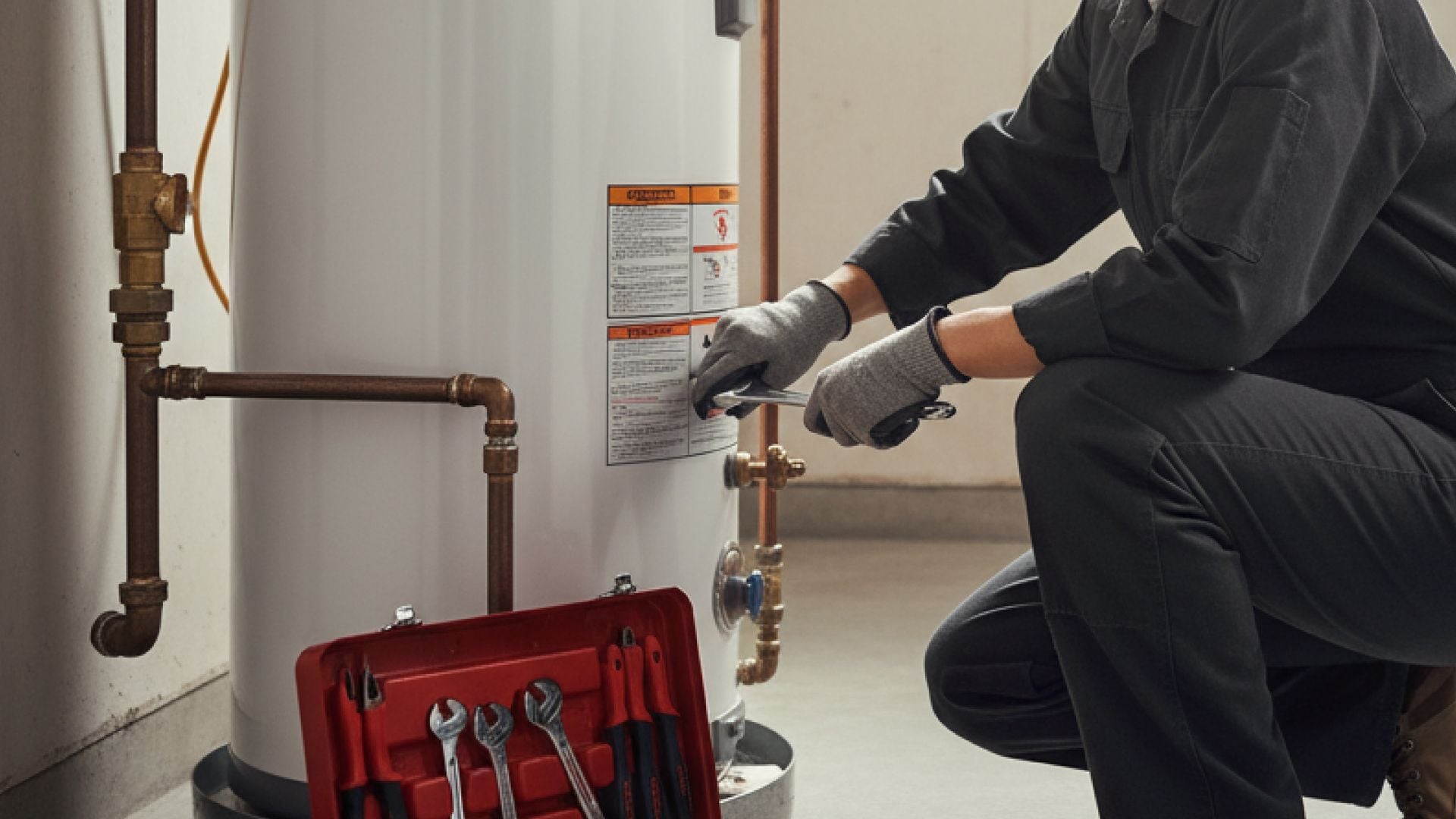
No Hot Water? Here’s How to Tell If It’s a Quick Fix or a Bigger Problem
There’s a specific kind of dread that comes with turning on the shower and getting nothing but cold water. Before you panic — or before you assume the worst and start pricing out a replacement — it helps to know that “no hot water” has a wide range of possible causes, and not all of them are serious. Some are five-minute fixes. Others are your water heater telling you it’s done. If you’re a homeowner in Franklinville, Westville, or Woolwich Township dealing with a sudden loss of hot water, here’s how to tell which situation you’re actually in. Start With the Quick Checks Before assuming anything is broken beyond repair, rule out the simple stuff first — these account for a surprising number of “no hot water” calls. For gas water heaters: Check whether the pilot light is lit. A pilot that’s gone out can often be relit following the instructions on the unit’s data plate, and if it stays lit, that resolves the issue entirely. Check the gas supply valve to confirm it’s fully open, not partially closed. Look for an error code or flashing light on units with electronic ignition, which can point you toward the specific issue. For electric water heaters: Check your electrical panel for a tripped breaker and reset it fully if needed. Check that the unit’s high-temperature limit switch (often a small red reset button) hasn’t tripped. Confirm the thermostat setting hasn’t been accidentally bumped to a low setting. If one of these resolves the issue, you’re done — no bigger problem here. But if resetting a breaker or relighting a pilot light doesn’t hold, or the same issue comes right back, that’s meaningfully different information, and it’s worth paying attention to rather than repeating the same reset over and over. Signs It’s Likely a Quick, Affordable Fix Certain symptoms tend to point toward a straightforward, contained repair rather than a failing unit overall: A pilot light that relights easily and stays lit — often just needed a reset after a draft or brief gas interruption. A single tripped breaker that resets and holds — usually an isolated electrical event rather than a sign of unit failure. Hot water that’s noticeably weaker than usual but still present, especially on an electric unit with two heating elements — often points to one failed element rather than total failure. The unit is relatively young — under 5–6 years old — and otherwise has no history of repeated issues. The problem appeared suddenly, with no gradual buildup of other symptoms beforehand, which often points to a single component failure rather than overall decline. Signs You’re Looking at a Bigger Problem Other symptoms point toward something more serious — either a failing unit or an issue that needs professional diagnosis before you do anything else: A pilot light that won’t stay lit even after multiple attempts, which often points to a failing thermocouple or a ventilation issue rather than a simple relight. A breaker that trips repeatedly after being reset, which usually signals an electrical fault, like a failing heating element drawing excess current — not something to keep resetting. Rust-colored hot water, which typically indicates internal tank corrosion that no repair can reverse. Popping, rumbling, or banging sounds from the tank, pointing to heavy sediment buildup that’s been affecting the unit’s performance for some time. Visible moisture, pooling water, or dampness around the base of the unit, which can indicate the tank itself has begun to fail. The unit is 8–12+ years old, which is the general expected lifespan range for most tank water heaters — meaning age alone raises the odds that you’re dealing with overall decline rather than an isolated fix. This isn’t the first issue in the past year or two, suggesting a pattern of components wearing out together rather than one unrelated failure. The Repair-vs-Replace Decision, Simplified When you’re not sure which category you’re in, three questions tend to clarify things quickly: How old is the unit? Under 6 years old, repair is almost always worth it. Past 10 years, replacement deserves serious consideration even if the current issue seems fixable, since more failures are likely close behind. What will the repair cost relative to a new unit? If a repair estimate approaches a third or more of the cost of full replacement, you’re often better off putting that money toward a new unit with a fresh warranty. Is this an isolated issue, or part of a pattern? A single, unrelated repair on an otherwise reliable unit is very different from the third service call in eighteen months. If most of your answers point toward “young unit, affordable fix, isolated issue,” repair is almost certainly the right call. If they point the other way, it’s worth having a professional evaluate whether continued repairs are actually saving you money — or just delaying an inevitable replacement while adding to the total cost along the way. The Pain Point: Guessing Wrong Costs You Time and Money Here’s why this distinction matters more than it might seem: repairing a unit that’s genuinely near the end of its life often means paying for a fix that buys you a few more months at best, followed by another repair call, and eventually a full failure anyway — sometimes with water damage added to the final bill. On the other hand, replacing a unit prematurely, before ruling out a simple and affordable fix, means spending far more than the situation actually required. Getting an accurate diagnosis upfront is what prevents either mistake. Related Reading If your situation looks like it might involve a leak rather than just a lack of hot water, our guide on why water heaters leak and what to do next can help you narrow that down. If you have a gas unit specifically, our breakdown of gas water heater lifespan and warning signs goes deeper into age-related failure signs, and if you have an electric unit, our electric water heater troubleshooting guide covers common
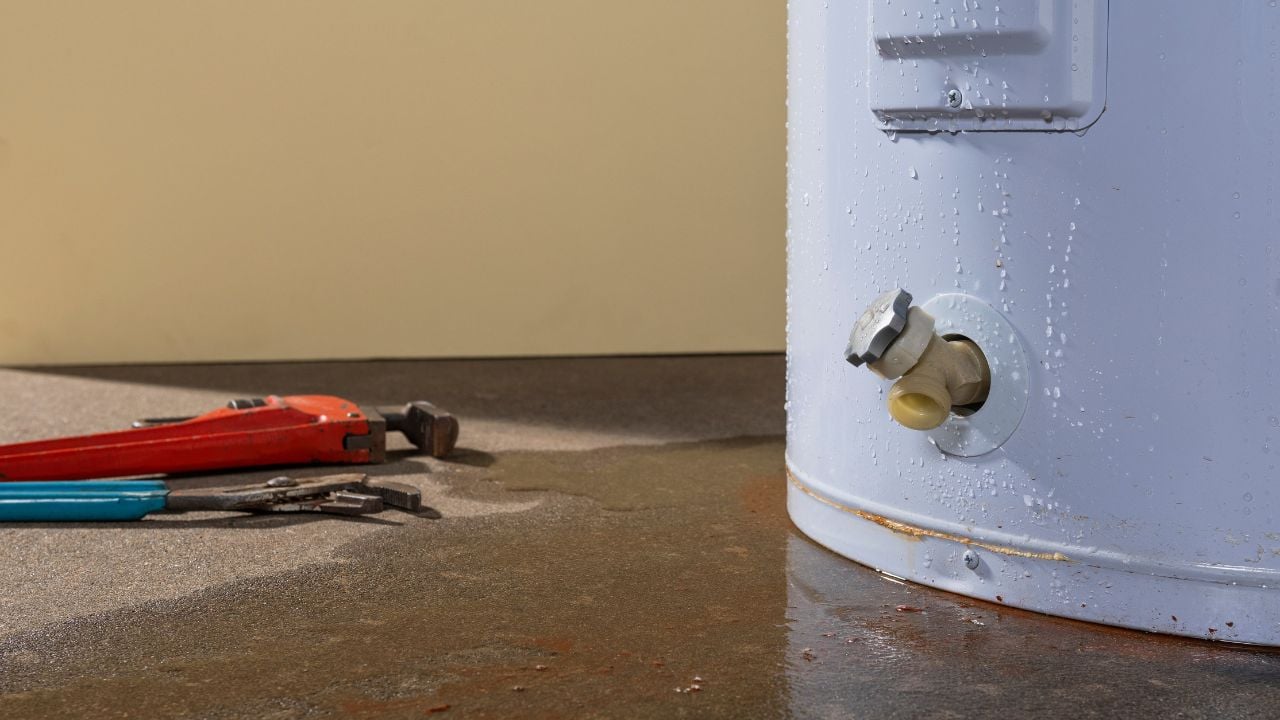
Strange Noises From Your Water Heater: What They Mean and When to Call a Plumber
A water heater is supposed to be one of the most forgettable appliances in your house — it just works, quietly, in the background. So when it suddenly starts popping, rumbling, hissing, or ticking, it gets your attention fast. The good news is that most of these sounds are diagnosable just by listening carefully, and knowing what each one means can help you figure out whether it’s worth a call today or something to simply keep an eye on. If you’re a homeowner in Glassboro, Deptford, or Logan Township hearing new noises from your water heater, here’s what’s actually going on — and South Jersey’s harder water is often part of the story. Rumbling or Popping Sounds This is one of the most common water heater noises, and it almost always points to one cause: sediment buildup at the bottom of the tank. As minerals in your water settle over time, they form a layer that traps small pockets of water underneath. When the burner or heating element fires, that trapped water heats rapidly, creating steam bubbles that push up through the sediment layer — producing the popping or rumbling sound you’re hearing. Homes across South Jersey with harder water tend to experience this sooner and more noticeably, since mineral buildup accumulates faster. Occasional light popping isn’t an emergency, but frequent or increasingly loud rumbling means the sediment layer has built up significantly, and it’s making the unit work harder — and wear faster — than it should. Hissing Sounds A steady hissing sound is worth paying closer attention to, since it has a few possible causes with different levels of urgency. On gas units, hissing near the burner area can sometimes indicate a minor gas leak at a fitting or connection — if you also notice a sulfur or “rotten egg” smell, treat this as urgent and contact your gas utility or a professional immediately rather than investigating further yourself. More commonly, hissing is related to water dripping onto the burner from a small leak, or pressure escaping through a valve that isn’t sealing correctly. If you hear hissing and smell gas, leave the area and call your gas utility’s emergency line before doing anything else. If there’s no gas smell, it’s still worth having a professional check the source, since hissing tied to a valve issue or a small leak tends to get worse, not better, over time. Ticking Sounds Ticking is usually the least concerning noise on this list. It’s often caused by the natural expansion and contraction of metal components — particularly pipes and the tank itself — as they heat up and cool down during normal operation. This is especially common right after installation or after any plumbing work near the unit, and it frequently fades on its own as connections settle. That said, persistent ticking that doesn’t improve over time, or that’s accompanied by other symptoms like reduced hot water output, is worth mentioning at your next service visit, even if it’s not urgent on its own. Banging or Knocking (Water Hammer) A sharp banging or knocking sound, especially one that happens right when a faucet or appliance shuts off, is usually not caused by the water heater itself — it’s a plumbing phenomenon called water hammer, caused by a sudden stop in water flow creating a pressure wave through the pipes. While this isn’t a water heater defect, it can put repeated stress on the connections at the water heater over time, and in older plumbing systems, it’s worth having assessed since it can contribute to loosened fittings and leaks elsewhere in the system. Screeching or Whining Sounds A high-pitched screech or whine often points to restricted water flow, commonly caused by a partially closed shut-off valve or mineral buildup narrowing a fitting or valve opening. This sound tends to be most noticeable when the unit is actively filling or when water is running through a partially restricted valve. Cracking or Popping From the Tank Itself (Not the Burner Area) If the sound seems to be coming from the body of the tank rather than the burner or bottom of the unit, this can indicate significant sediment buildup affecting a larger portion of the tank, or in older units, early structural stress as the tank begins to weaken. This is worth a professional evaluation sooner rather than later, particularly on units already past 8–10 years old. When It’s Fine to Wait, and When to Call Now Reasonably safe to monitor: Occasional light ticking, especially on a newer unit or shortly after installation Mild, infrequent popping that hasn’t changed or worsened recently Worth scheduling a service visit soon: Regular rumbling or popping, indicating sediment buildup that should be flushed Persistent ticking that hasn’t resolved after a few weeks Screeching or whining tied to water flow Call right away: Hissing accompanied by a gas smell — leave the area and contact your gas utility immediately Any hissing or unusual sound paired with visible moisture or pooling water near the unit Loud or worsening cracking sounds from an older unit (8+ years) The Pain Point: Noise Is Often the Only Warning You Get Here’s why these sounds are worth taking seriously rather than tuning out: a water heater doesn’t usually give you a clear countdown to failure. Sediment buildup, valve wear, and early tank stress often show up as sound before they show up as anything else — no leak yet, no loss of hot water yet, just a noise that’s easy to get used to and ignore. By the time those other symptoms appear, the underlying issue has often been developing for months. Treating unusual noise as an early signal, rather than background nuisance, is often what separates a routine sediment flush from an emergency tank failure down the road. Related Reading If a noise has you wondering whether your unit is nearing the end of its life, our guide to gas water heater lifespan and warning signs covers this in more depth. If
Is an Electric Water Heater Right for Your Home? Pros, Cons, and What to Know
Not every home has a gas line running to it — and for a lot of homeowners in South Jersey, that single fact settles the water heater decision before it even starts. But even if gas is available at your home, electric water heaters remain a solid, popular choice for plenty of good reasons. The key is understanding what you’re actually gaining and giving up with an electric unit, so you’re choosing it because it fits your home — not just because it’s the default. Who Electric Water Heaters Make the Most Sense For Electric water heaters are the practical, and often only, option for homes without a natural gas line — a common situation in certain rural pockets of South Jersey or homes that were built or renovated without gas service. But plenty of homeowners with gas available still choose electric deliberately, especially those prioritizing lower upfront installation cost, simpler maintenance, or a straightforward replacement that doesn’t require any venting or gas line work. The Pros of Electric Water Heaters Lower installation cost. Without the need for gas line connections or venting work, electric water heater installation is typically simpler and less expensive than a comparable gas installation — a meaningful factor if you’re working with a tighter replacement budget. Simpler, safer combustion profile. Because there’s no combustion process involved, electric water heaters eliminate the venting, backdrafting, and carbon monoxide concerns that come with gas units. That doesn’t mean electric units have zero safety considerations — electrical safety still matters — but the specific risks are different, and for some homeowners, that trade-off is appealing. Flexible placement. Without the need for a vent connection to a chimney or exterior wall, electric water heaters can often be installed in a wider range of locations within the home, giving more flexibility during a renovation or when relocating the unit. Widely available, dependable equipment. Manufacturers like AO Smith, Rheem, and Bradford White all offer well-built electric tank lineups with a range of capacities and efficiency levels, so you’re not sacrificing reliability by going electric. The Cons of Electric Water Heaters Higher operating cost in most of New Jersey. This is the trade-off that catches homeowners by surprise. Electricity is typically the more expensive fuel source per unit of energy in New Jersey compared to natural gas, which means an electric water heater usually costs meaningfully more to run month to month than a comparable gas unit — often by several hundred dollars a year. We break this down with real numbers in our guide to gas vs. electric water heater running costs in New Jersey. Slower recovery time. Electric water heaters generally take longer to reheat a full tank of water after heavy use compared to gas units of similar size, which can matter for larger households with back-to-back showers or heavy laundry days. Vulnerable to power outages. A gas water heater with a standing pilot can often continue operating during a power outage. An electric unit cannot — no power means no hot water, full stop, which is worth considering if your area is prone to outages. Comparing Electric Tank Lineups: AO Smith, Rheem, and Bradford White If you’ve decided electric is the right fit, the brand and model still matter for long-term reliability and efficiency. AO Smith offers a broad electric lineup spanning standard-efficiency to high-efficiency models, with options that fit most budgets and household sizes. Their electric units are widely installed and well-regarded for consistent performance. Rheem electric water heaters are known for strong warranty terms and, on select higher-end models, features like leak detection — a useful add-on for homeowners who want extra protection against water damage. Bradford White electric models are sold exclusively through licensed professional installers, which means every unit is installed correctly and registered properly from day one. Their electric lineup includes standard tank models as well as higher-efficiency options, and — as we cover in our full Bradford White water heaters guide — the brand’s warranty coverage and transferability are genuine advantages worth factoring into your decision. All three brands make dependable equipment. The right pick usually comes down to your household size, budget, and whether specific features like leak detection matter to you. The Pain Point: The Wrong Size Costs You Twice Here’s where a lot of electric water heater replacements go wrong: choosing based on price alone, without matching the unit’s capacity and recovery rate to the household’s actual usage. An undersized electric unit means running out of hot water regularly — showers cut short, dishes done in lukewarm water, frustration on repeat. An oversized unit means paying to keep more water hot than the household actually needs, adding unnecessary cost on top of electricity’s already higher rate. Getting the sizing right the first time avoids paying for the mistake twice — once in daily inconvenience, and again on the utility bill. Still Deciding? A Few Related Guides If you’re weighing your options more broadly before committing to electric, a few of our other articles may help: our full comparison of gas vs. electric operating costs in New Jersey, our troubleshooting guide for electric water heaters not producing hot water if you’re dealing with an aging unit right now, and our breakdown of tankless vs. traditional water heaters if you’re open to skipping the tank altogether. Let Professor Gatsby’s Help You Decide Whether you’re without a gas line or simply weighing your options, our licensed plumbers serve homeowners throughout Somerdale, Stratford, Berlin, and the surrounding South Jersey area, and we can help you choose the right electric water heater — sized correctly, from a brand you can trust — for your household. We handle full water heater replacement as well as water heater repair if your current unit just needs a fix rather than a full swap. Not sure if electric is right for your home? Contact Professor Gatsby’s or book an appointment online for straightforward advice before you buy. 3 South Jersey Locations to Serve You
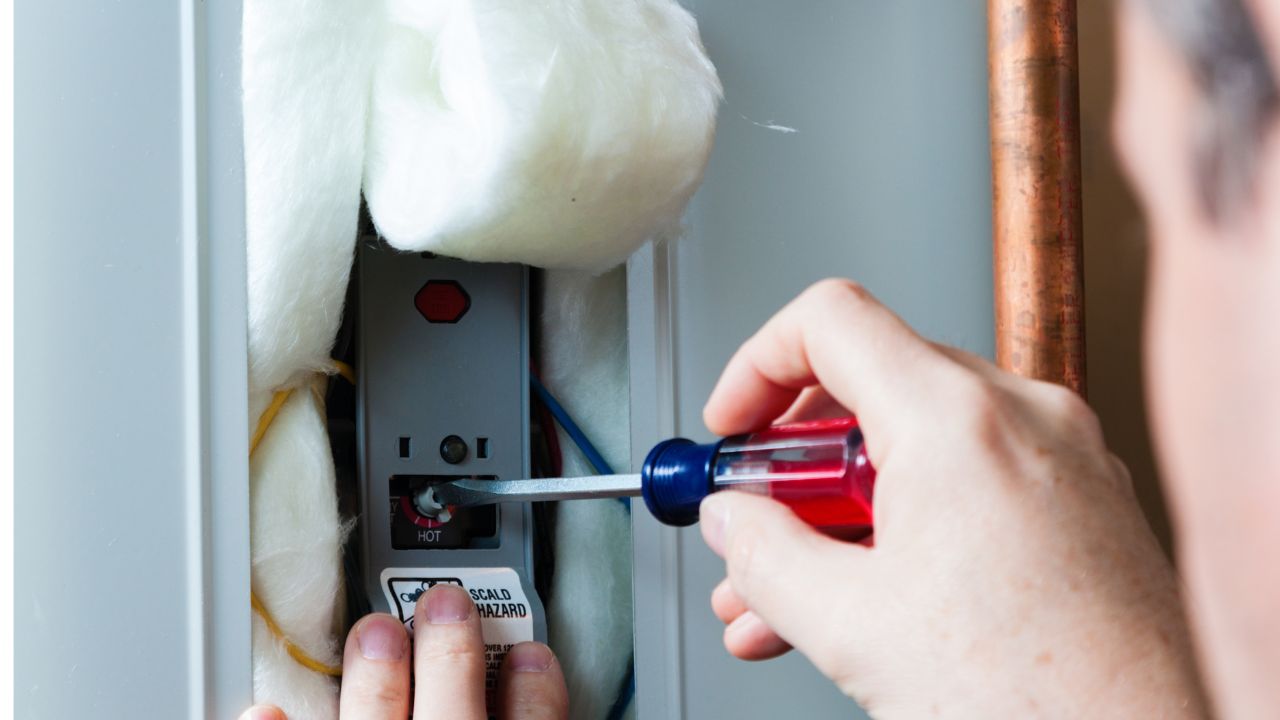
Electric Water Heater Not Producing Hot Water? Common Causes and Fixes
Turning on the tap and getting nothing but cold water is one of those problems that demands an answer immediately — but before you assume the worst, it’s worth knowing that electric water heater problems usually come down to a short list of common culprits. Some are simple, inexpensive fixes. Others are early signs that the unit is nearing the end of its life. Knowing the difference can save you an unnecessary service call, or help you catch a bigger problem before it turns into a flooded utility closet. If you’re a homeowner in South Jersey dealing with a water heater that’s suddenly gone cold — or just lukewarm — here’s what’s most likely going on, and what you can safely check yourself before calling for a repair. Start Here: Check Your Breaker Before assuming anything is wrong with the water heater itself, check your electrical panel. Electric water heaters draw a significant amount of power, and a tripped breaker is one of the most common — and easiest to fix — reasons for a sudden loss of hot water. If you find the breaker in the “off” or middle position, reset it fully and see if the unit begins heating again. If the breaker trips again shortly after resetting, don’t keep resetting it. A breaker that trips repeatedly is often signaling a deeper electrical issue — such as a failing heating element drawing excess current — and continuing to reset it can pose a real safety risk. That’s a sign to stop and call a professional rather than keep flipping the switch. Heating Element Failure Most residential electric water heaters have two heating elements — an upper and a lower — that work together to heat the full tank. When one element fails, you’ll often still get some hot water, but it may run out much faster than usual, since only one element is doing the work. When both elements fail, or the single element on a smaller unit fails, you’ll typically get no hot water at all. Heating elements fail for a few common reasons: they simply wear out over years of use, sediment buildup at the bottom of the tank causes the lower element to overheat and burn out prematurely, or mineral scale coats the element and reduces its ability to transfer heat efficiently. This is one of the most frequent repairs on electric water heaters, and in many cases, replacing a single failed element is a straightforward, relatively affordable fix — much less costly than a full replacement. Thermostat Issues Electric water heaters use thermostats to regulate temperature and signal the heating elements to turn on and off. A faulty thermostat can cause a range of symptoms: water that’s lukewarm instead of hot, water that’s scalding hot, or a unit that seems to run constantly without maintaining a consistent temperature. Sometimes what looks like a thermostat problem is actually a simple setting issue — thermostats can be bumped or adjusted accidentally, or set too low to meet your household’s needs. But if the temperature setting looks correct and you’re still getting inconsistent results, the thermostat itself may need to be tested and potentially replaced. This is not a repair we’d recommend attempting without experience, since it involves working directly with the unit’s high-voltage wiring. Sediment Buildup Over time, minerals in your water settle at the bottom of the tank, forming a layer of sediment that acts as an insulating barrier between the lower heating element and the water it’s supposed to be heating. This makes the unit work harder and less efficiently, and in more severe cases, can cause the lower element to overheat and fail entirely. Homes with hard water tend to see this happen faster, which makes periodic tank flushing an important piece of preventive maintenance — one that’s often overlooked until a hot water problem forces the issue. A Tripped High-Temperature Limit Switch Many electric water heaters include a high-temperature limit switch — sometimes called a “high limit” or “reset button” — that automatically shuts off power to the heating elements if the water gets dangerously hot. This is a safety feature, not a flaw, but it can sometimes trip due to a faulty thermostat or other underlying issue rather than an actual overheating event. If you find this switch tripped, it can sometimes be reset — but if it trips again shortly after, that’s a sign something else is causing the overheating in the first place, and it needs to be diagnosed rather than repeatedly reset. A Failing Dip Tube The dip tube is a plastic tube that directs incoming cold water to the bottom of the tank, where it can be heated properly. If the dip tube cracks or breaks, cold water mixes with the already-heated water near the top of the tank instead of being routed to the bottom, resulting in water that feels lukewarm even though the unit is technically still working. This is a less common cause but worth ruling out, especially on older units. Simply Running Out of Hot Water Sometimes the explanation is less about a malfunction and more about demand. If your household’s hot water usage has increased — more people in the home, more frequent laundry, longer showers — you may simply be outpacing the tank’s recovery time. This isn’t a repair issue, but if it’s happening regularly, it may be worth discussing whether your current tank size still matches your household’s needs. The Pain Point: Electrical Issues Aren’t a DIY Situation Here’s what’s worth taking seriously: unlike a gas water heater, an electric unit involves direct high-voltage wiring, and troubleshooting beyond checking the breaker carries real risk if you’re not trained to work with it safely. A repeatedly tripping breaker, a burning smell, or visible scorch marks near the electrical connections are not signs to keep experimenting with — they’re signs to shut off power to the unit at the breaker and call a professional. Beyond the safety risk, misdiagnosing the issue
Electric Water Heater Maintenance: Simple Steps That Extend Its Life
Most homeowners never think about their water heater until it stops working — but the units that quietly last 12, 13, even 15 years usually have one thing in common: someone paid a little attention to them along the way. Electric water heaters aren’t complicated to maintain, but skipping that maintenance is exactly why so many units fail years earlier than they should. If you’re a homeowner in South Jersey looking to get the most out of your electric water heater, here are the maintenance steps that actually make a difference — what you can reasonably do yourself, and what’s worth leaving to a professional. Check the Anode Rod Annually The anode rod is one of the most important — and most overlooked — components in your water heater. It’s a sacrificial metal rod designed to corrode before your tank does, protecting the steel tank lining from rust. Once the anode rod is fully consumed, the tank itself becomes the next thing corrosion attacks, which is one of the most common reasons water heaters fail well before their expected lifespan. Most manufacturers recommend having the anode rod inspected annually, and replaced when it’s significantly corroded — often coated in calcium buildup or reduced to a thin wire core. Homes with softened or treated water tend to see anode rods deplete faster, so if your home has a water softener, more frequent checks are worth considering. This is a quick, inexpensive task during a routine service visit, and it’s one of the single best things you can do to extend your tank’s life. Flush Sediment From the Tank Minerals naturally present in your water settle at the bottom of the tank over time, forming a layer of sediment. For electric water heaters specifically, this sediment sits right where the lower heating element does its work, insulating it from the water it’s supposed to be heating. That forces the element to work harder, reduces efficiency, and can shorten its lifespan — sometimes causing it to burn out prematurely. Flushing the tank — draining it fully and clearing out accumulated sediment — is generally recommended once a year, though homes with notably hard water may benefit from more frequent flushing. Beyond protecting the heating elements, a flushed tank simply heats water more efficiently, which can show up as a modest but real reduction in your electricity usage. Check and Adjust Thermostat Settings Many electric water heaters come from the factory set higher than most households actually need. The U.S. Department of Energy commonly recommends 120°F as a setting that balances comfort, safety, and efficiency for most homes — hot enough for typical household needs while reducing the risk of scalding and cutting down on standby energy loss. If your thermostat has never been checked or adjusted, it’s worth having it verified during a maintenance visit. A setting that’s too high wastes energy and increases wear on components; a setting that’s too low can leave you without enough hot water and, in some cases, create conditions where bacteria can grow in the tank. Test the Temperature and Pressure Relief Valve The temperature and pressure (T&P) relief valve is a safety device designed to release water if the tank’s internal pressure or temperature reaches unsafe levels. Over time, these valves can become stuck or fail to seal properly after testing, which is exactly why this is a task best performed by a professional rather than attempted casually — a valve that doesn’t reseal correctly can create its own leak. Annual testing as part of a maintenance visit confirms the valve is functioning correctly, which is one of the more important safety checks on the entire unit. Inspect for Leaks and Corrosion A visual inspection around the base of the tank, the fittings, and the connections can catch small problems — a slow drip, early corrosion, a loose fitting — before they become bigger ones. Catching a small leak early is the difference between a minor repair and a fully failed tank flooding a utility closet or basement. Insulate the Tank and Pipes (If Your Unit Qualifies) Depending on the age and model of your water heater, adding an insulating blanket to the tank and insulating the first few feet of hot water piping can reduce standby heat loss, meaning the unit doesn’t have to work as hard to maintain temperature between uses. Not every unit needs this — many newer, high-efficiency models already have sufficient built-in insulation — but for older units, it can be a simple, low-cost efficiency improvement worth discussing with your plumber. Watch for Early Warning Signs Between Visits Maintenance isn’t just an annual event — a little awareness between service visits goes a long way. Water that’s taking longer to heat, a noticeable drop in hot water supply, unusual noises, or a slight rust tint to the hot water are all worth mentioning at your next visit, even if they seem minor. Catching these signs early is often what separates a simple component repair from a full tank replacement. The Pain Point: Deferred Maintenance Is the Most Expensive Kind Here’s what’s easy to overlook: a water heater that’s never been maintained doesn’t fail any less often — it just fails without warning, and usually earlier than it should have. A neglected anode rod, years of sediment buildup, and a never-tested relief valve don’t cost you anything on a monthly basis, right up until the tank fails, floods the surrounding area, and forces an emergency replacement instead of a planned one. The maintenance itself is a small, predictable cost. Skipping it just moves that cost later — and makes it bigger. Related Reading If you’re troubleshooting a current issue or weighing your options more broadly, a few of our other guides may help: our breakdown of common causes when an electric water heater stops producing hot water, our full guide to whether an electric water heater is the right fit for your home, and our comparison of gas water heater lifespan