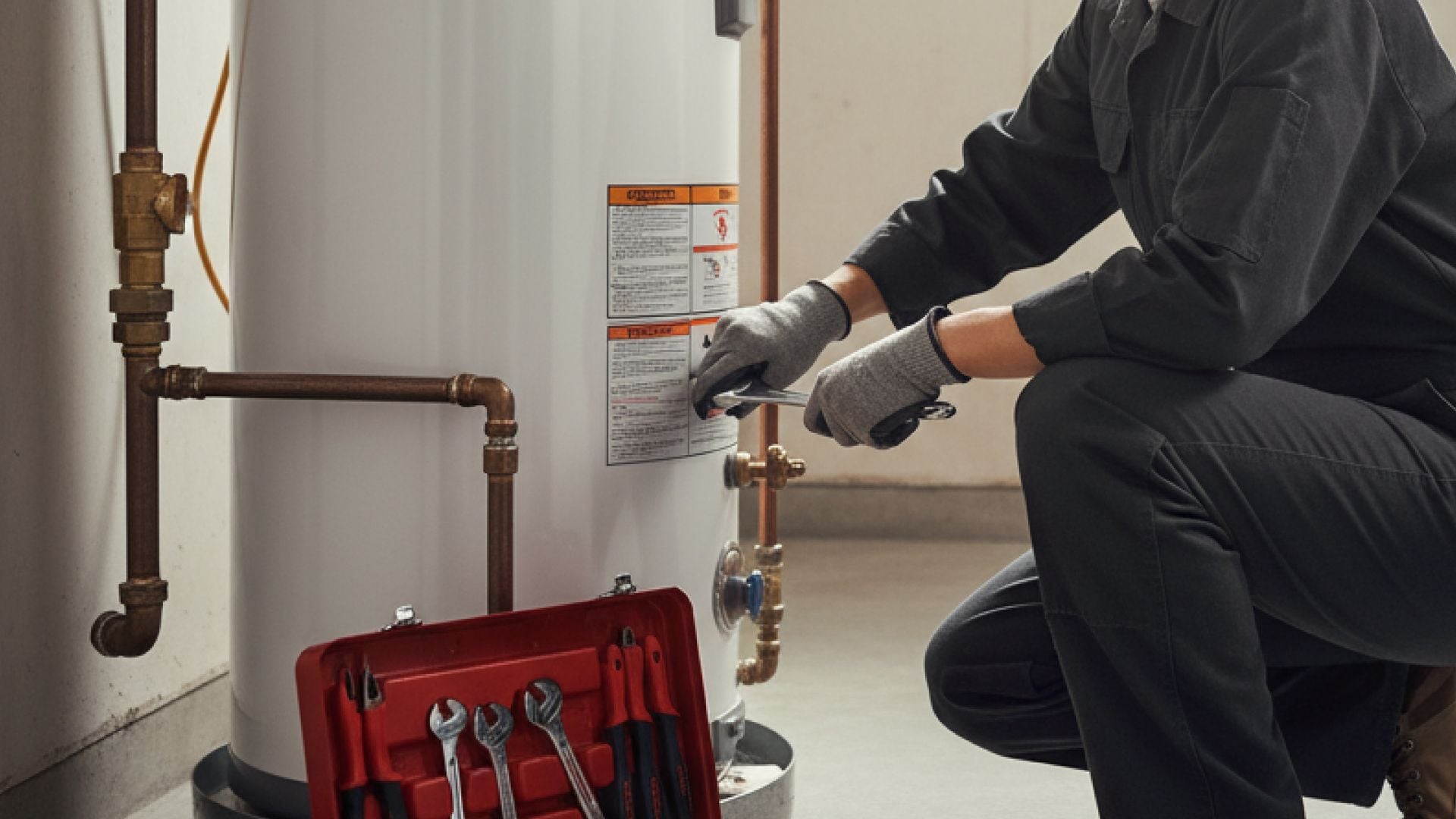
There’s a specific kind of dread that comes with turning on the shower and getting nothing but cold water. Before you panic — or before you assume the worst and start pricing out a replacement — it helps to know that “no hot water” has a wide range of possible causes, and not all of them are serious. Some are five-minute fixes. Others are your water heater telling you it’s done.
If you’re a homeowner in Franklinville, Westville, or Woolwich Township dealing with a sudden loss of hot water, here’s how to tell which situation you’re actually in.
Start With the Quick Checks
Before assuming anything is broken beyond repair, rule out the simple stuff first — these account for a surprising number of “no hot water” calls.
For gas water heaters:
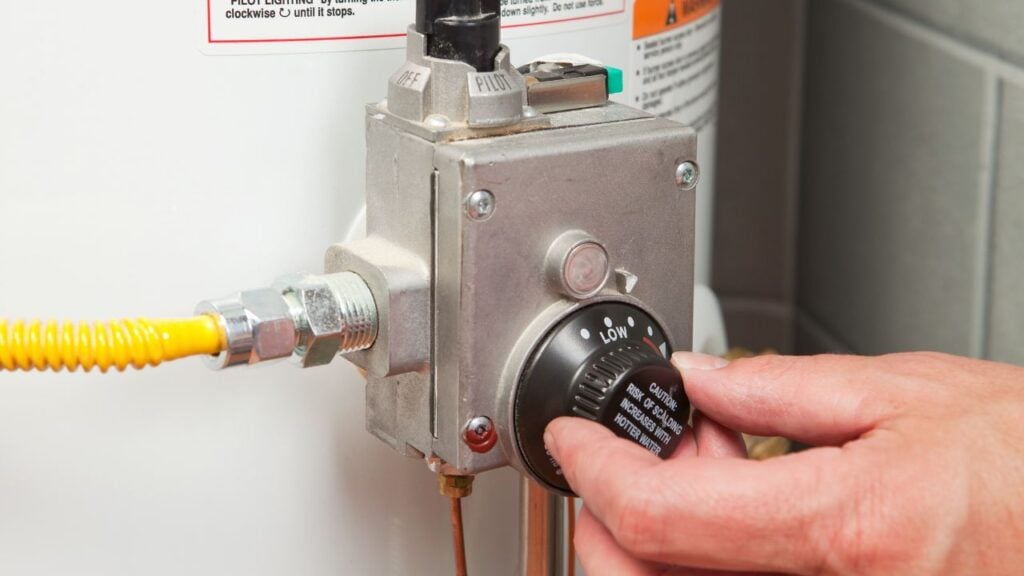
- Check whether the pilot light is lit. A pilot that’s gone out can often be relit following the instructions on the unit’s data plate, and if it stays lit, that resolves the issue entirely.
- Check the gas supply valve to confirm it’s fully open, not partially closed.
- Look for an error code or flashing light on units with electronic ignition, which can point you toward the specific issue.
For electric water heaters:
- Check your electrical panel for a tripped breaker and reset it fully if needed.
- Check that the unit’s high-temperature limit switch (often a small red reset button) hasn’t tripped.
- Confirm the thermostat setting hasn’t been accidentally bumped to a low setting.
If one of these resolves the issue, you’re done — no bigger problem here. But if resetting a breaker or relighting a pilot light doesn’t hold, or the same issue comes right back, that’s meaningfully different information, and it’s worth paying attention to rather than repeating the same reset over and over.
Signs It’s Likely a Quick, Affordable Fix
Certain symptoms tend to point toward a straightforward, contained repair rather than a failing unit overall:
- A pilot light that relights easily and stays lit — often just needed a reset after a draft or brief gas interruption.
- A single tripped breaker that resets and holds — usually an isolated electrical event rather than a sign of unit failure.
- Hot water that’s noticeably weaker than usual but still present, especially on an electric unit with two heating elements — often points to one failed element rather than total failure.
- The unit is relatively young — under 5–6 years old — and otherwise has no history of repeated issues.
- The problem appeared suddenly, with no gradual buildup of other symptoms beforehand, which often points to a single component failure rather than overall decline.
Signs You’re Looking at a Bigger Problem
Other symptoms point toward something more serious — either a failing unit or an issue that needs professional diagnosis before you do anything else:
- A pilot light that won’t stay lit even after multiple attempts, which often points to a failing thermocouple or a ventilation issue rather than a simple relight.
- A breaker that trips repeatedly after being reset, which usually signals an electrical fault, like a failing heating element drawing excess current — not something to keep resetting.
- Rust-colored hot water, which typically indicates internal tank corrosion that no repair can reverse.
- Popping, rumbling, or banging sounds from the tank, pointing to heavy sediment buildup that’s been affecting the unit’s performance for some time.
- Visible moisture, pooling water, or dampness around the base of the unit, which can indicate the tank itself has begun to fail.
- The unit is 8–12+ years old, which is the general expected lifespan range for most tank water heaters — meaning age alone raises the odds that you’re dealing with overall decline rather than an isolated fix.
- This isn’t the first issue in the past year or two, suggesting a pattern of components wearing out together rather than one unrelated failure.
The Repair-vs-Replace Decision, Simplified
When you’re not sure which category you’re in, three questions tend to clarify things quickly:
- How old is the unit? Under 6 years old, repair is almost always worth it. Past 10 years, replacement deserves serious consideration even if the current issue seems fixable, since more failures are likely close behind.
- What will the repair cost relative to a new unit? If a repair estimate approaches a third or more of the cost of full replacement, you’re often better off putting that money toward a new unit with a fresh warranty.
- Is this an isolated issue, or part of a pattern? A single, unrelated repair on an otherwise reliable unit is very different from the third service call in eighteen months.
If most of your answers point toward “young unit, affordable fix, isolated issue,” repair is almost certainly the right call. If they point the other way, it’s worth having a professional evaluate whether continued repairs are actually saving you money — or just delaying an inevitable replacement while adding to the total cost along the way.
The Pain Point: Guessing Wrong Costs You Time and Money
Here’s why this distinction matters more than it might seem: repairing a unit that’s genuinely near the end of its life often means paying for a fix that buys you a few more months at best, followed by another repair call, and eventually a full failure anyway — sometimes with water damage added to the final bill. On the other hand, replacing a unit prematurely, before ruling out a simple and affordable fix, means spending far more than the situation actually required. Getting an accurate diagnosis upfront is what prevents either mistake.
Related Reading
If your situation looks like it might involve a leak rather than just a lack of hot water, our guide on why water heaters leak and what to do next can help you narrow that down. If you have a gas unit specifically, our breakdown of gas water heater lifespan and warning signs goes deeper into age-related failure signs, and if you have an electric unit, our electric water heater troubleshooting guide covers common causes in more detail.
Let Professor Gatsby’s Give You a Straight Answer
You shouldn’t have to guess whether your water heater needs a quick fix or a full replacement — and we won’t leave you guessing either. Our plumbers serve homeowners throughout the South Jersey area, and we’ll give you an honest diagnosis before recommending either a repair or a replacement — whichever actually makes sense for your situation.
No hot water and not sure what’s next? Contact Professor Gatsby’s or book an appointment online and we’ll get you a clear answer fast.
3 South Jersey Locations to Serve You