Turning on the tap and getting nothing but cold water is one of those problems that demands an answer immediately — but before you assume the worst, it’s worth knowing that electric water heater problems usually come down to a short list of common culprits. Some are simple, inexpensive fixes. Others are early signs that the unit is nearing the end of its life. Knowing the difference can save you an unnecessary service call, or help you catch a bigger problem before it turns into a flooded utility closet.
If you’re a homeowner in South Jersey dealing with a water heater that’s suddenly gone cold — or just lukewarm — here’s what’s most likely going on, and what you can safely check yourself before calling for a repair.
Start Here: Check Your Breaker
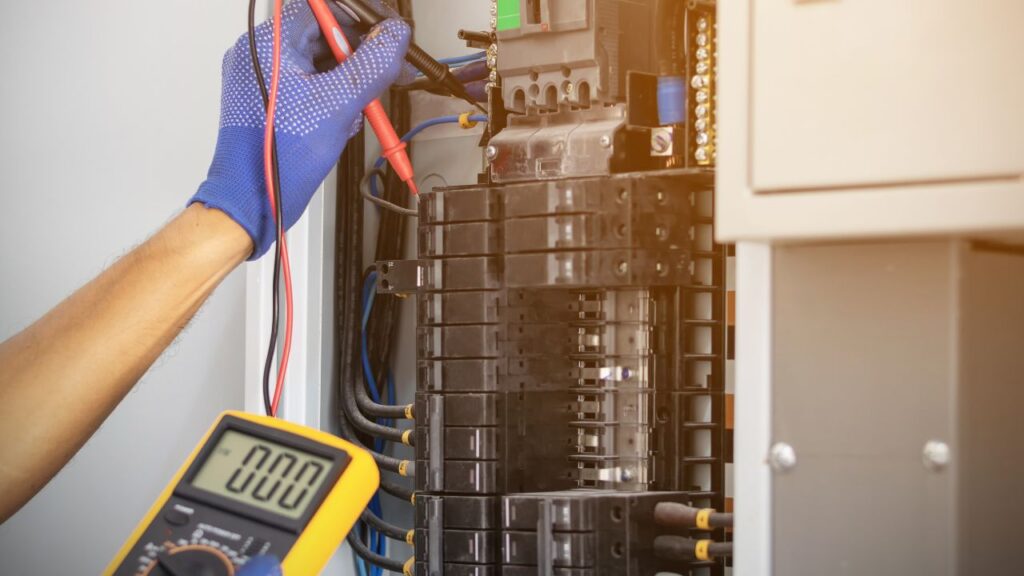
Before assuming anything is wrong with the water heater itself, check your electrical panel. Electric water heaters draw a significant amount of power, and a tripped breaker is one of the most common — and easiest to fix — reasons for a sudden loss of hot water. If you find the breaker in the “off” or middle position, reset it fully and see if the unit begins heating again.
If the breaker trips again shortly after resetting, don’t keep resetting it. A breaker that trips repeatedly is often signaling a deeper electrical issue — such as a failing heating element drawing excess current — and continuing to reset it can pose a real safety risk. That’s a sign to stop and call a professional rather than keep flipping the switch.
Heating Element Failure
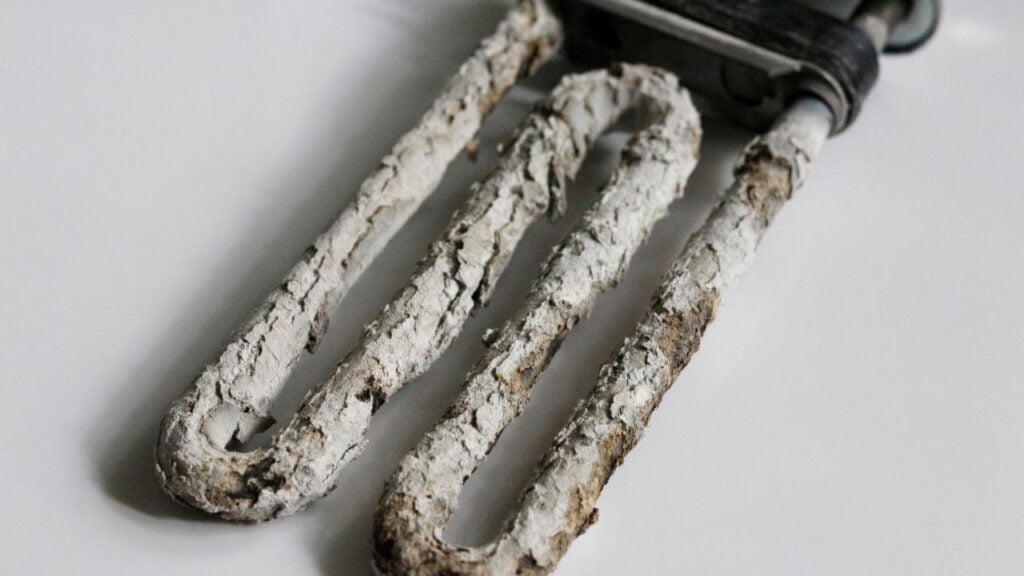
Most residential electric water heaters have two heating elements — an upper and a lower — that work together to heat the full tank. When one element fails, you’ll often still get some hot water, but it may run out much faster than usual, since only one element is doing the work. When both elements fail, or the single element on a smaller unit fails, you’ll typically get no hot water at all.
Heating elements fail for a few common reasons: they simply wear out over years of use, sediment buildup at the bottom of the tank causes the lower element to overheat and burn out prematurely, or mineral scale coats the element and reduces its ability to transfer heat efficiently. This is one of the most frequent repairs on electric water heaters, and in many cases, replacing a single failed element is a straightforward, relatively affordable fix — much less costly than a full replacement.
Thermostat Issues
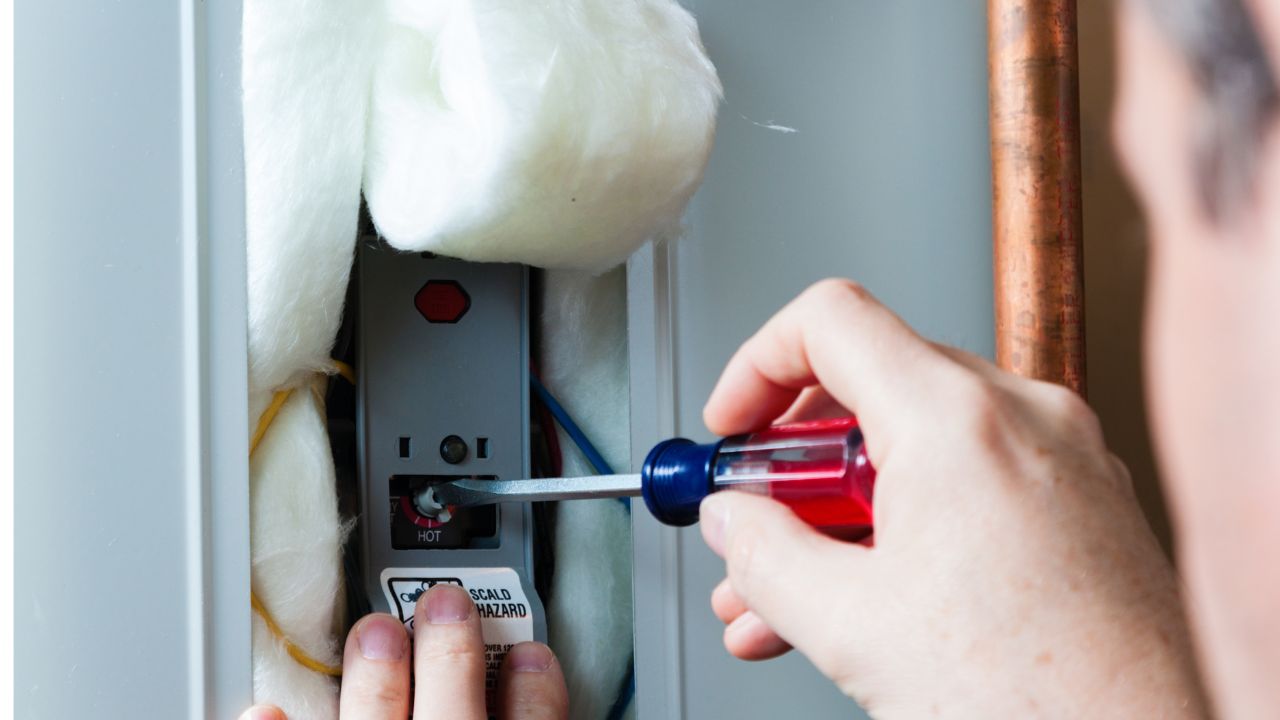
Electric water heaters use thermostats to regulate temperature and signal the heating elements to turn on and off. A faulty thermostat can cause a range of symptoms: water that’s lukewarm instead of hot, water that’s scalding hot, or a unit that seems to run constantly without maintaining a consistent temperature.
Sometimes what looks like a thermostat problem is actually a simple setting issue — thermostats can be bumped or adjusted accidentally, or set too low to meet your household’s needs. But if the temperature setting looks correct and you’re still getting inconsistent results, the thermostat itself may need to be tested and potentially replaced. This is not a repair we’d recommend attempting without experience, since it involves working directly with the unit’s high-voltage wiring.
Sediment Buildup
Over time, minerals in your water settle at the bottom of the tank, forming a layer of sediment that acts as an insulating barrier between the lower heating element and the water it’s supposed to be heating. This makes the unit work harder and less efficiently, and in more severe cases, can cause the lower element to overheat and fail entirely.
Homes with hard water tend to see this happen faster, which makes periodic tank flushing an important piece of preventive maintenance — one that’s often overlooked until a hot water problem forces the issue.
A Tripped High-Temperature Limit Switch
Many electric water heaters include a high-temperature limit switch — sometimes called a “high limit” or “reset button” — that automatically shuts off power to the heating elements if the water gets dangerously hot. This is a safety feature, not a flaw, but it can sometimes trip due to a faulty thermostat or other underlying issue rather than an actual overheating event.
If you find this switch tripped, it can sometimes be reset — but if it trips again shortly after, that’s a sign something else is causing the overheating in the first place, and it needs to be diagnosed rather than repeatedly reset.
A Failing Dip Tube
The dip tube is a plastic tube that directs incoming cold water to the bottom of the tank, where it can be heated properly. If the dip tube cracks or breaks, cold water mixes with the already-heated water near the top of the tank instead of being routed to the bottom, resulting in water that feels lukewarm even though the unit is technically still working. This is a less common cause but worth ruling out, especially on older units.
Simply Running Out of Hot Water
Sometimes the explanation is less about a malfunction and more about demand. If your household’s hot water usage has increased — more people in the home, more frequent laundry, longer showers — you may simply be outpacing the tank’s recovery time. This isn’t a repair issue, but if it’s happening regularly, it may be worth discussing whether your current tank size still matches your household’s needs.
The Pain Point: Electrical Issues Aren’t a DIY Situation
Here’s what’s worth taking seriously: unlike a gas water heater, an electric unit involves direct high-voltage wiring, and troubleshooting beyond checking the breaker carries real risk if you’re not trained to work with it safely. A repeatedly tripping breaker, a burning smell, or visible scorch marks near the electrical connections are not signs to keep experimenting with — they’re signs to shut off power to the unit at the breaker and call a professional. Beyond the safety risk, misdiagnosing the issue can also mean replacing a part that wasn’t actually the problem, leaving you back where you started with the added cost of an unnecessary repair.
Related Reading
If you’re weighing whether it’s worth repairing your current unit or considering a different setup entirely, a few of our other guides may help: our comparison of gas vs. electric water heaters and their true running costs in New Jersey, our breakdown of how long gas water heaters typically last and the warning signs of failure, and our overview of tankless vs. traditional water heaters if you’re considering a different type of system altogether.
Let Professor Gatsby’s Diagnose It the Right Way
If resetting your breaker doesn’t solve the problem, or if you’re noticing any of the warning signs above, it’s time for a professional diagnosis rather than a guessing game. Our licensed technicians serve homeowners throughout Collingswood, Merchantville, Pennsauken, and the surrounding South Jersey area, and we can quickly identify whether your electric water heater needs a repair or whether it’s reached the point where replacement makes more sense.
No hot water and not sure why? Contact Professor Gatsby’s or book an appointment online and we’ll get to the bottom of it safely.
3 South Jersey Locations to Serve You