A water heater is supposed to be one of the most forgettable appliances in your house — it just works, quietly, in the background. So when it suddenly starts popping, rumbling, hissing, or ticking, it gets your attention fast. The good news is that most of these sounds are diagnosable just by listening carefully, and knowing what each one means can help you figure out whether it’s worth a call today or something to simply keep an eye on.
If you’re a homeowner in Glassboro, Deptford, or Logan Township hearing new noises from your water heater, here’s what’s actually going on — and South Jersey’s harder water is often part of the story.
Rumbling or Popping Sounds
This is one of the most common water heater noises, and it almost always points to one cause: sediment buildup at the bottom of the tank. As minerals in your water settle over time, they form a layer that traps small pockets of water underneath. When the burner or heating element fires, that trapped water heats rapidly, creating steam bubbles that push up through the sediment layer — producing the popping or rumbling sound you’re hearing.
Homes across South Jersey with harder water tend to experience this sooner and more noticeably, since mineral buildup accumulates faster. Occasional light popping isn’t an emergency, but frequent or increasingly loud rumbling means the sediment layer has built up significantly, and it’s making the unit work harder — and wear faster — than it should.
Hissing Sounds
A steady hissing sound is worth paying closer attention to, since it has a few possible causes with different levels of urgency. On gas units, hissing near the burner area can sometimes indicate a minor gas leak at a fitting or connection — if you also notice a sulfur or “rotten egg” smell, treat this as urgent and contact your gas utility or a professional immediately rather than investigating further yourself. More commonly, hissing is related to water dripping onto the burner from a small leak, or pressure escaping through a valve that isn’t sealing correctly.
If you hear hissing and smell gas, leave the area and call your gas utility’s emergency line before doing anything else. If there’s no gas smell, it’s still worth having a professional check the source, since hissing tied to a valve issue or a small leak tends to get worse, not better, over time.
Ticking Sounds
Ticking is usually the least concerning noise on this list. It’s often caused by the natural expansion and contraction of metal components — particularly pipes and the tank itself — as they heat up and cool down during normal operation. This is especially common right after installation or after any plumbing work near the unit, and it frequently fades on its own as connections settle.
That said, persistent ticking that doesn’t improve over time, or that’s accompanied by other symptoms like reduced hot water output, is worth mentioning at your next service visit, even if it’s not urgent on its own.
Banging or Knocking (Water Hammer)
A sharp banging or knocking sound, especially one that happens right when a faucet or appliance shuts off, is usually not caused by the water heater itself — it’s a plumbing phenomenon called water hammer, caused by a sudden stop in water flow creating a pressure wave through the pipes. While this isn’t a water heater defect, it can put repeated stress on the connections at the water heater over time, and in older plumbing systems, it’s worth having assessed since it can contribute to loosened fittings and leaks elsewhere in the system.
Screeching or Whining Sounds
A high-pitched screech or whine often points to restricted water flow, commonly caused by a partially closed shut-off valve or mineral buildup narrowing a fitting or valve opening. This sound tends to be most noticeable when the unit is actively filling or when water is running through a partially restricted valve.
Cracking or Popping From the Tank Itself (Not the Burner Area)
If the sound seems to be coming from the body of the tank rather than the burner or bottom of the unit, this can indicate significant sediment buildup affecting a larger portion of the tank, or in older units, early structural stress as the tank begins to weaken. This is worth a professional evaluation sooner rather than later, particularly on units already past 8–10 years old.
When It’s Fine to Wait, and When to Call Now
Reasonably safe to monitor:
- Occasional light ticking, especially on a newer unit or shortly after installation
- Mild, infrequent popping that hasn’t changed or worsened recently
Worth scheduling a service visit soon:
- Regular rumbling or popping, indicating sediment buildup that should be flushed
- Persistent ticking that hasn’t resolved after a few weeks
- Screeching or whining tied to water flow
Call right away:
- Hissing accompanied by a gas smell — leave the area and contact your gas utility immediately
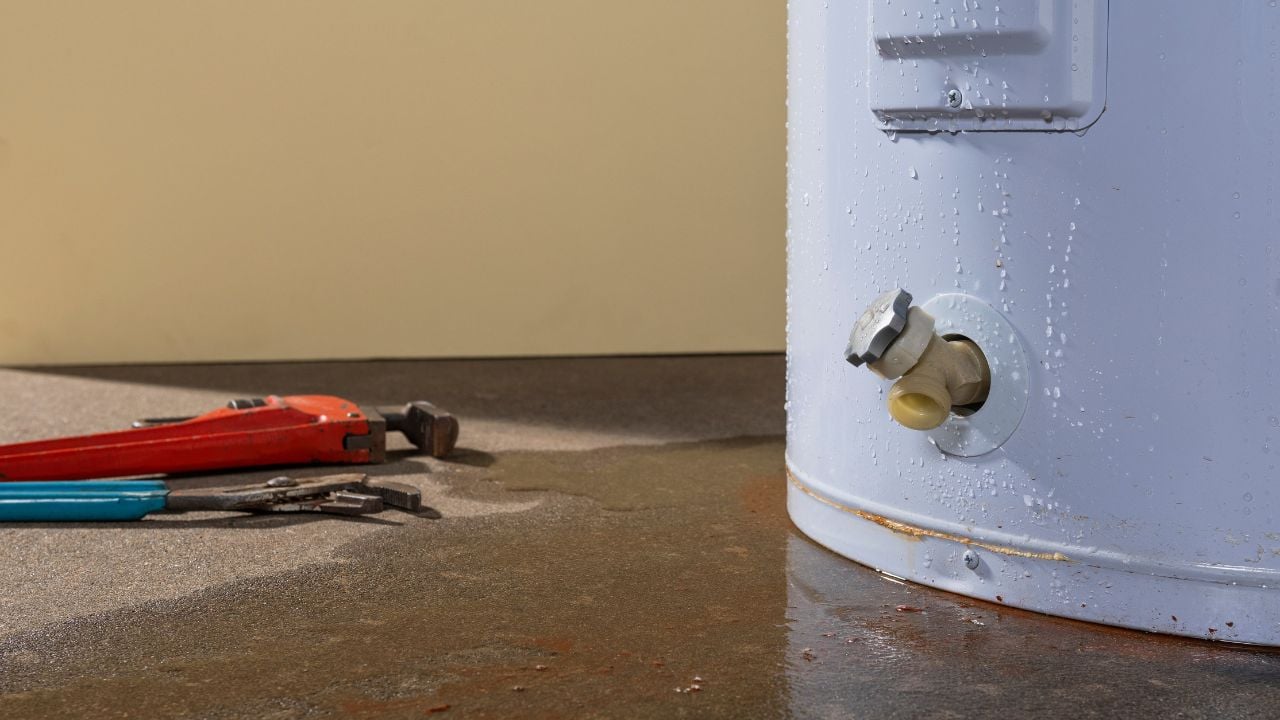
- Any hissing or unusual sound paired with visible moisture or pooling water near the unit
- Loud or worsening cracking sounds from an older unit (8+ years)
The Pain Point: Noise Is Often the Only Warning You Get
Here’s why these sounds are worth taking seriously rather than tuning out: a water heater doesn’t usually give you a clear countdown to failure. Sediment buildup, valve wear, and early tank stress often show up as sound before they show up as anything else — no leak yet, no loss of hot water yet, just a noise that’s easy to get used to and ignore. By the time those other symptoms appear, the underlying issue has often been developing for months. Treating unusual noise as an early signal, rather than background nuisance, is often what separates a routine sediment flush from an emergency tank failure down the road.
Related Reading
If a noise has you wondering whether your unit is nearing the end of its life, our guide to gas water heater lifespan and warning signs covers this in more depth. If you’ve also noticed moisture near the unit, check our breakdown of why water heaters leak and what to do next. And if regular maintenance sounds like the right next step, our guide on electric water heater maintenance covers sediment flushing and other preventive steps that apply to gas units as well.
Let Professor Gatsby’s Diagnose the Noise
You shouldn’t have to guess whether a strange sound from your water heater is nothing or something serious. Our licensed plumbers serve homeowners throughout the South Jersey area, and we can quickly identify the source of the noise and recommend whether a simple sediment flush, a component repair, or something more is needed.
Hearing something unusual from your water heater? Contact Professor Gatsby’s or book an appointment online and let us find out what it’s telling you.
3 South Jersey Locations to Serve You